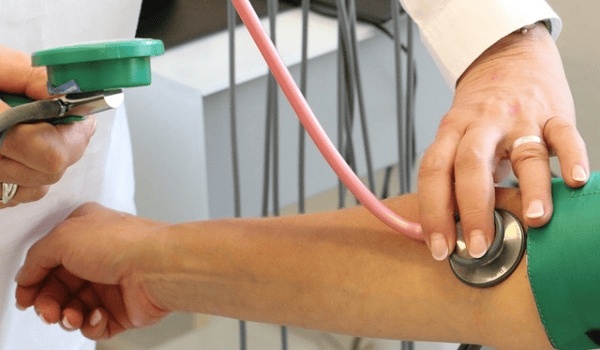
Understanding Hypertensive Nephropathy
Hypertensive nephropathy, a condition characterized by kidney damage due to prolonged high blood pressure, poses a significant health risk. As blood pressure remains consistently elevated, the delicate blood vessels in the kidneys can become damaged, leading to impaired kidney function over time. This condition not only affects the kidneys but can also have far-reaching consequences on overall health, including cardiovascular issues and electrolyte imbalances. Recognizing the symptoms early and seeking appropriate treatment is crucial for managing hypertensive nephropathy effectively.
The Role of Traditional Chinese Medicine
Traditional Chinese Medicine (TCM) offers a unique and holistic approach to treating hypertensive nephropathy. Unlike conventional medicine, which often focuses on symptom management, TCM aims to address the root cause of the condition by restoring balance within the body. This is achieved through a combination of herbal remedies, acupuncture, dietary adjustments, and lifestyle modifications, all tailored to the individual's specific needs and constitution.

Herbal Remedies for Kidney Health
Herbal remedies play a pivotal role in TCM's approach to hypertensive nephropathy. Certain herbs, such as Astragalus membranaceus (Huang Qi) and Salvia miltiorrhiza (Dan Shen), have been shown to possess anti-inflammatory and antioxidant properties, which can help protect the kidneys from further damage. These herbs are often combined in specific formulas to enhance their efficacy and minimize potential side effects. It's important to note that herbal remedies should only be taken under the guidance of a qualified TCM practitioner to ensure safety and effectiveness.
Acupuncture and Lifestyle Adjustments
Acupuncture, another key component of TCM, involves the insertion of thin needles into specific points on the body to stimulate energy flow and promote healing. For hypertensive nephropathy, acupuncture can help regulate blood pressure, improve kidney function, and alleviate associated symptoms such as fatigue and swelling. Additionally, lifestyle adjustments, including a balanced diet rich in fruits and vegetables, regular exercise, and stress management techniques, can further support kidney health and overall well-being.

In conclusion, Traditional Chinese Medicine offers a comprehensive and individualized approach to treating hypertensive nephropathy. By addressing the root cause of the condition and promoting overall balance within the body, TCM can help improve kidney function, manage symptoms, and enhance quality of life. If you're struggling with hypertensive nephropathy, consider exploring the benefits of TCM as part of your treatment plan!
版权声明:本文内容由互联网用户自发贡献,该文观点仅代表作者本人。本站仅提供信息存储空间服务,不拥有所有权,不承担相关法律责任。如发现本站有涉嫌抄袭侵权/违法违规的内容, 请发送邮件至 972197909@qq.com 举报,一经查实,本站将立刻删除。如若转载,请注明出处:http://www.shenqiu123.com/healthyeating/3411.html