Understanding Yin Deficiency and Blood Deficiency
Yin deficiency and blood deficiency are common health concerns in traditional Chinese medicine (TCM), often manifesting as fatigue, dizziness, pale complexion, and dry skin. These conditions can disrupt daily life and affect overall well-being. While they may seem daunting, natural remedies and lifestyle adjustments can help restore balance and vitality. This guide explores effective strategies to nourish your body and address these deficiencies holistically.
Dietary Adjustments for Nourishing Yin and Blood
Food plays a pivotal role in replenishing yin and blood. Incorporate nutrient-dense ingredients like dark leafy greens (spinach, kale), red meat (in moderation), beans, and nuts into your meals. These foods are rich in iron, protein, and essential vitamins that support blood production. For yin nourishment, focus on cooling foods such as cucumber, watermelon, and tofu, which help counterbalance internal heat and dryness.
Hydration is equally critical. Drink herbal teas like chrysanthemum or goji berry tea, which hydrate while promoting yin balance. Avoid excessive caffeine and spicy foods, as they can deplete yin and exacerbate symptoms.
Herbal Remedies and Supplements
TCM herbs like dong quai (Angelica sinensis), rehmannia root, and longan fruit are renowned for their blood-tonifying properties. These herbs can be consumed as teas, soups, or supplements after consulting a qualified practitioner to ensure safety and proper dosage. Adaptogenic herbs such as ashwagandha and astragalus may also support stress reduction and energy levels, indirectly aiding in yin and blood replenishment.
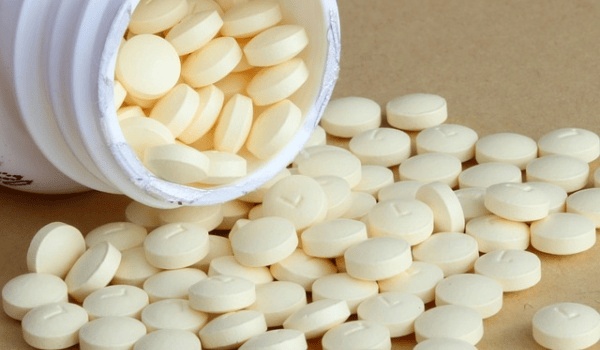
For those preferring convenience, high-quality iron supplements or multivitamins tailored to blood health can complement dietary efforts. Always prioritize natural, non-GMO options and follow recommended guidelines.

Lifestyle Practices to Enhance Recovery
Stress management is vital, as chronic stress drains both yin and blood. Incorporate gentle exercises like tai chi, yoga, or walking into your routine to promote circulation and relaxation. Aim for 7-8 hours of quality sleep nightly, as restorative rest allows the body to regenerate and balance hormones.
Acupuncture and acupressure are also valuable tools in TCM for addressing deficiencies. These practices stimulate specific points to improve energy flow and support organ function. Even simple self-massage techniques, such as pressing the inner wrist or ankle, can offer temporary relief.
When to Seek Professional Guidance
While self-care strategies are beneficial, persistent symptoms like severe fatigue, irregular periods, or unexplained weight loss warrant professional evaluation. A TCM practitioner or holistic healthcare provider can create a personalized plan combining diet, herbs, and therapies to address your unique needs.
Remember, healing takes time. Consistency in adopting these practices is key to achieving lasting results. By nurturing your body with mindful choices, you can restore harmony and embrace a vibrant, energetic life!
版权声明:本文内容由互联网用户自发贡献,该文观点仅代表作者本人。本站仅提供信息存储空间服务,不拥有所有权,不承担相关法律责任。如发现本站有涉嫌抄袭侵权/违法违规的内容, 请发送邮件至 972197909@qq.com 举报,一经查实,本站将立刻删除。如若转载,请注明出处:http://www.shenqiu123.com/sexual/3394.html