Understanding Reflux Esophagitis and Its Impact
Reflux esophagitis, a condition characterized by inflammation of the esophagus due to stomach acid backing up, affects millions worldwide. Symptoms such as heartburn, chest pain, and difficulty swallowing can significantly disrupt daily life. While conventional treatments often focus on symptom management, traditional Chinese medicine (TCM) offers a holistic approach that addresses both the root cause and symptoms, promoting long-term healing and balance.
Key TCM Principles for Treating Reflux Esophagitis
TCM views reflux esophagitis as a manifestation of imbalances in the body's energy flow, particularly involving the stomach and liver meridians. The primary goal is to restore harmony by regulating qi (vital energy), balancing yin and yang, and resolving dampness or heat accumulation. This approach not only alleviates symptoms but also strengthens the digestive system to prevent recurrence.
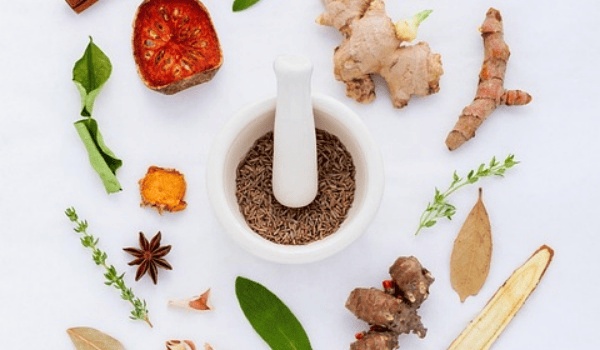
Herbal formulas play a central role in TCM treatment. Commonly prescribed blends include Ban Xia Xie Xin Tang for damp-heat patterns and Si Ni San for liver qi stagnation. These formulas are tailored to individual symptoms, ensuring personalized care that addresses specific imbalances.

Dietary Adjustments and Lifestyle Modifications
TCM emphasizes the importance of diet in managing reflux esophagitis. Foods that are spicy, greasy, or overly acidic should be avoided, as they can aggravate symptoms. Instead, focus on warm, cooked meals that are easy to digest, such as soups, stews, and steamed vegetables. Incorporating ginger, a natural anti-inflammatory, can also provide relief.
Lifestyle changes are equally crucial. Stress management techniques like meditation, tai chi, or gentle yoga can help regulate qi flow and reduce liver qi stagnation, a common contributor to reflux. Additionally, maintaining regular meal times and avoiding late-night eating can minimize acid reflux episodes.

Acupuncture: A Powerful Adjunct Therapy
Acupuncture, another pillar of TCM, has shown promising results in treating reflux esophagitis. By stimulating specific points along the meridians, acupuncture can regulate stomach function, reduce inflammation, and alleviate pain. Points such as Zusanli (ST36) and Neiguan (PC6) are commonly targeted for their digestive benefits.
For best results, acupuncture sessions should be combined with herbal therapy and dietary adjustments. This integrated approach ensures comprehensive care that addresses all aspects of the condition.

Conclusion: Embracing Holistic Healing
Traditional Chinese medicine offers a safe, effective, and holistic alternative for managing reflux esophagitis. By addressing the root cause and promoting balance within the body, TCM can provide lasting relief from symptoms while improving overall health. If you're struggling with reflux, consider consulting a qualified TCM practitioner to develop a personalized treatment plan tailored to your needs!
版权声明:本文内容由互联网用户自发贡献,该文观点仅代表作者本人。本站仅提供信息存储空间服务,不拥有所有权,不承担相关法律责任。如发现本站有涉嫌抄袭侵权/违法违规的内容, 请发送邮件至 972197909@qq.com 举报,一经查实,本站将立刻删除。如若转载,请注明出处:http://www.shenqiu123.com/healthyeating/3413.html