Understanding Purines and Their Impact on Health
Purines are natural compounds found in various foods that play a crucial role in the body's energy production and DNA synthesis. However, when consumed in excess, purines can break down into uric acid, leading to health issues such as gout and kidney stones. For individuals with conditions like hyperuricemia or gout, managing purine intake becomes essential to maintain optimal health. This guide provides a detailed overview of high-purine foods to help you make informed dietary choices.
Top High-Purine Foods to Watch Out For
Certain foods are particularly rich in purines and should be consumed in moderation or avoided altogether, depending on your health condition. Here’s a list of common high-purine foods:
1. Organ Meats: Liver, kidneys, and other organ meats are among the highest sources of purines. A single serving can contain up to 400 milligrams of purines, making them a significant concern for those managing uric acid levels.
2. Seafood: Many types of seafood, including anchovies, sardines, mackerel, and scallops, are high in purines. These foods are often enjoyed in various cuisines but should be limited to occasional treats if you're prone to gout.

3. Red Meat: Beef, pork, and lamb are also rich in purines. While they provide essential nutrients like protein and iron, it's advisable to opt for leaner cuts and control portion sizes to minimize purine intake.
4. Game Meats: Venison and other game meats are less commonly consumed but can be surprisingly high in purines. If you enjoy these meats, consider reducing frequency and portion size.
5. Alcoholic Beverages: Beer, in particular, is known to increase uric acid production due to its yeast content. Wine and spirits may have a milder effect but should still be consumed in moderation.

Tips for Managing Purine Intake
Maintaining a balanced diet is key to managing purine levels. Here are some practical tips:
1. Opt for low-purine alternatives like poultry, fish (in moderation), and plant-based proteins such as beans and lentils.
2. Stay hydrated by drinking plenty of water, which helps flush out excess uric acid from the body.
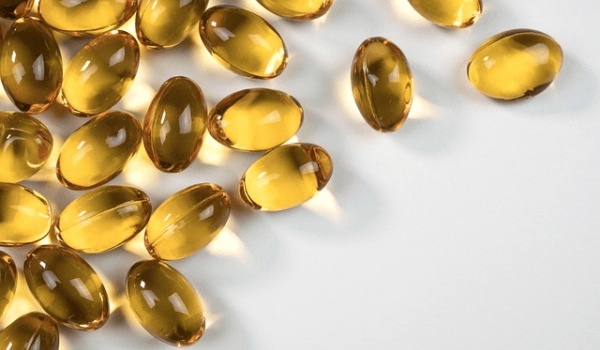
3. Incorporate fruits and vegetables rich in vitamin C, such as oranges, strawberries, and bell peppers, which may help reduce uric acid levels.
4. Limit sugary drinks and processed foods, as they can contribute to inflammation and worsen gout symptoms.
By being mindful of your dietary choices and incorporating these strategies, you can effectively manage purine intake and support your overall health and well-being in 2026 and beyond!
版权声明:本文内容由互联网用户自发贡献,该文观点仅代表作者本人。本站仅提供信息存储空间服务,不拥有所有权,不承担相关法律责任。如发现本站有涉嫌抄袭侵权/违法违规的内容, 请发送邮件至 972197909@qq.com 举报,一经查实,本站将立刻删除。如若转载,请注明出处:http://www.shenqiu123.com/healthyeating/409.html