The Dual Lens of Diagnosis: Heart Fire and Cardiovascular Dysregulation
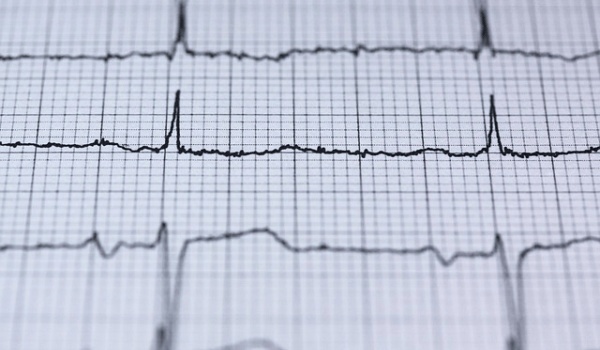
When blood glucose registers at 18.5 mmol/L, the body’s internal alarm system is already sounding. From a TCM perspective, this level suggests a severe imbalance of yin and yang, with heart fire (excessive heat in the heart meridian) disrupting the body’s harmony. Clinically, this manifests as rapid pulse, restless sleep, and a persistent feeling of warmth in the chest—symptoms often dismissed as "stress" but rooted in deeper metabolic disarray. Modern medicine frames this as cardiovascular strain: prolonged hyperglycemia thickens blood viscosity, forcing the heart to pump harder while damaging small blood vessels. Autonomic nervous system dysfunction may follow, leaving patients trapped in a cycle of fatigue and poor sleep quality.
Imagine your body as a finely tuned orchestra. The heart fire in TCM corresponds to the sympathetic nervous system’s overactivation—a state where cortisol levels remain chronically elevated, and insulin receptors become less responsive. This duality explains why some patients experience both night sweats (a yin deficiency sign) and morning blood pressure spikes (a cardiovascular risk marker). The key lies in recognizing these overlapping signals before irreversible damage occurs.
Type Differentiation: Beyond Lab Numbers
TCM practitioners assess diabetes types through tongue diagnosis and pulse quality. A thick yellow coating with a rapid, forceful pulse suggests damp-heat type (common in Type 2 diabetes with insulin resistance), while a pale, dry tongue with a thin, rapid pulse may indicate yin deficiency (often seen in long-standing cases with neuropathy). Modern endocrinology complements this by measuring C-peptide levels to distinguish between autoimmune (Type 1) and metabolic (Type 2) origins, while HbA1c reveals glycemic control over months.
Consider a 45-year-old patient with erratic blood sugar: morning readings spike despite fasting, and afternoon crashes trigger intense cravings. TCM would diagnose this as 营卫不和 (disharmony between defensive and nutritive qi), while Western tests might reveal delayed gastric emptying and reactive hypoglycemia. The solution? Combining acupuncture at ST36 (Zusanli) to regulate digestion with time-restricted eating to reset the circadian rhythm of insulin secretion.
Therapeutic Synergy: Cooling the Fire, Restoring Balance
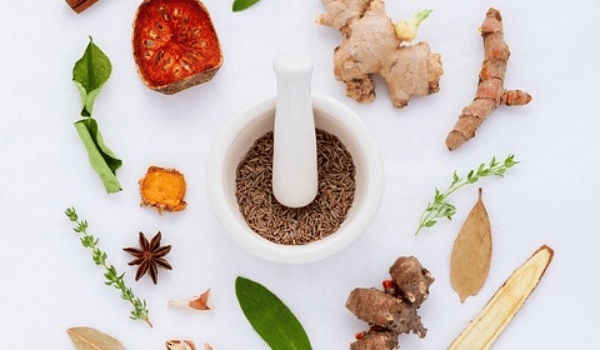
For acute hyperglycemia, TCM recommends herbal formulas like Bai Hu Jia Ren Shen Tang (White Tiger Plus Ginseng Decoction) to clear heat and nourish fluids, while modern medicine employs rapid-acting insulin analogs. Chronic management, however, demands a more nuanced approach. Studies show that Astragalus membranaceus (Huang Qi) enhances insulin sensitivity by reducing oxidative stress in endothelial cells—a mechanism mirrored by metformin’s AMPK activation. Similarly, mindfulness meditation lowers both cortisol (addressing TCM’s liver qi stagnation) and fasting blood glucose by 0.8 mmol/L on average.

The circadian dimension cannot be overstated. TCM emphasizes aligning activities with the organ clock: exercising between 5–7 AM (lung time) to boost metabolism, and avoiding late-night screen use to preserve kidney yin. Modern sleep medicine confirms that fragmented sleep increases diabetes risk by 27%, as it disrupts glucose regulation via the hypothalamic-pituitary-adrenal axis. A simple intervention? Wearing blue-light-blocking glasses after sunset to enhance melatonin secretion and improve insulin sensitivity.
The Path Forward: Merging Tradition with Precision
Effective diabetes care requires rejecting false dichotomies between "alternative" and "conventional." A patient with diabetic neuropathy might find relief through both electroacupuncture (which increases local blood flow by 40%) and alpha-lipoic acid supplements (which reduce oxidative damage to nerves). The future lies in personalized protocols that integrate continuous glucose monitoring with tongue diagnosis apps, or wearable devices that track both heart rate variability (a marker of autonomic balance) and qi flow patterns.
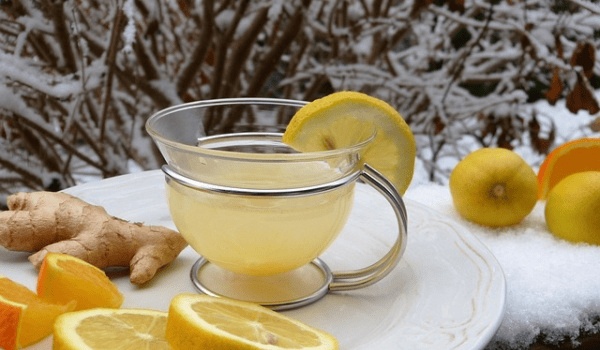
Start today by observing your body’s subtle cues: dry mouth at 3 PM? It may signal yin deficiency and dehydration. Craving sweets after meals? This could indicate spleen qi deficiency or postprandial hyperglycemia. Pair this awareness with actionable steps: sip warm water with a slice of fresh ginger (to warm the spleen and disperse dampness) while scheduling a 15-minute walk after dinner (to lower postprandial glucose by 1.2 mmol/L on average). Remember, true healing emerges when ancient wisdom guides modern choices, and self-care becomes a daily ritual of balance.
版权声明:本文内容由互联网用户自发贡献,该文观点仅代表作者本人。本站仅提供信息存储空间服务,不拥有所有权,不承担相关法律责任。如发现本站有涉嫌抄袭侵权/违法违规的内容, 请发送邮件至 972197909@qq.com 举报,一经查实,本站将立刻删除。如若转载,请注明出处:http://www.shenqiu123.com/healthyeating/1184.html