When Exercise Triggers Menstrual Crisis: A Dual-System Analysis
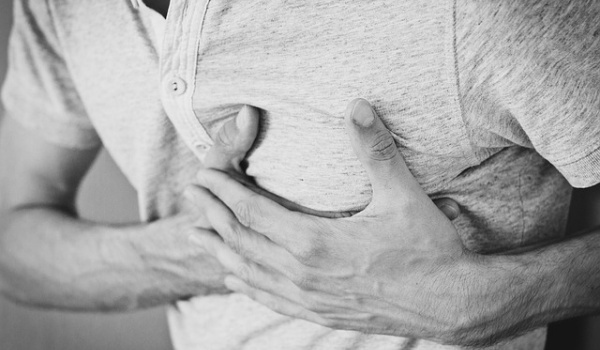
A 28-year-old fitness enthusiast experienced sudden menorrhagia during her premenstrual phase after a high-intensity run. This clinical case reveals a critical intersection: the body's cardiovascular response to exercise collides with hormonal fluctuations during the luteal phase. From TCM perspective, this represents "heart fire excess" overwhelming the yin-yang balance, while modern medicine interprets it as sympathetic nervous system overactivation disrupting endometrial stability.
The menstrual cycle operates like a biological symphony. TCM describes this as "heavenly water" (tian gui) governed by kidney essence and liver qi, while Western medicine views it through hypothalamic-pituitary-ovarian axis regulation. When heart fire rises (manifesting as palpitations, insomnia, or red complexion), it creates "false heat" that disturbs the uterus's blood containment function. Concurrently, elevated cortisol levels from stress response may increase prostaglandin synthesis, leading to uterine hypercontractility and breakthrough bleeding.
Diagnostic Clues from Both Traditions
TCM practitioners assess menstrual health through three dimensions: pulse quality (rapid, "wiry" pulses indicate liver fire), tongue appearance (red tip suggests heart involvement), and sleep patterns (night sweats reveal yin deficiency). Modern diagnostics complement this with basal body temperature tracking (to detect luteal phase defects) and hormonal panels (measuring progesterone/estrogen ratios).
Autonomic nervous system testing reveals crucial patterns. Women with recurrent premenstrual bleeding often show: 1) Reduced heart rate variability during luteal phase 2) Elevated resting sympathetic tone 3) Impaired parasympathetic recovery post-exercise. These findings align with TCM's "营卫不和" (ying-wei disharmony), where defensive qi fails to protect nutrient vessels during hormonal shifts.
Integrated Treatment Strategies
For acute cases, TCM recommends cooling heart fire with herbs like lotus seed core (lian zi xin) and dendrobium stem (shihu), while modern medicine employs tranexamic acid to stabilize clotting. Chronic management requires addressing root causes:
• Cardiovascular modulation: TCM's "滋阴降火" (nourishing yin to reduce fire) with rehmannia root (shudi) and scrophulariae (xuanshen) parallels Western beta-blockers in reducing sympathetic overdrive
• Circadian rhythm alignment: Acupuncture at Pericardium 6 (neiguan) improves HRV, similar to biofeedback training
• Metabolic optimization: Chromium supplementation (to enhance insulin sensitivity) complements TCM's spleen-strengthening formulas
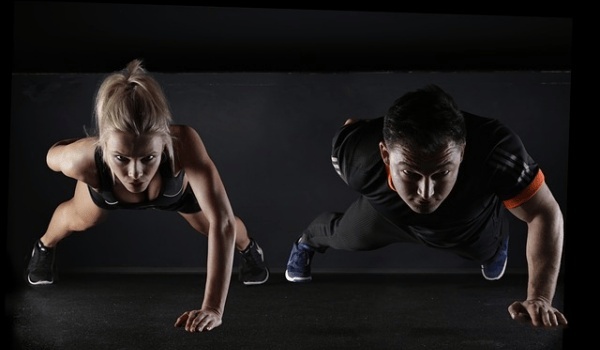
Exercise protocols demand precise timing. During luteal phase (days 15-28), avoid:
✖ High-intensity interval training (elevates core temperature)
✖ Evening workouts (disrupts melatonin secretion)
✖ Isometric holds (increases intrauterine pressure)
Instead, opt for yin-nourishing activities:
✔ Tai chi (enhances venous return)
✔ Swimming (maintains hormonal homeostasis via hydrostatic pressure)
✔ Restorative yoga (activates parasympathetic nervous system)

Preventive Nutrition: East Meets West
Dietary therapy should balance "cooling" and "warming" properties while addressing oxidative stress. Incorporate:
• TCM's "blood-nourishing" foods: Spinach (boiled with ginger to counteract cold nature), black sesame (tonifies kidney essence), and goji berries (replenishes liver blood)
• Western antioxidants: Vitamin E (400IU/day reduces prostaglandin E2), magnesium glycinate (300mg/night improves sleep architecture), and omega-3s (1g/day decreases inflammatory cytokines)
Timing matters: Consume warming foods before ovulation (days 1-14) to build yang energy, then switch to cooling foods post-ovulation (days 15-28) to protect yin. Avoid caffeine after 3pm - it extends cortisol half-life by 30%, exacerbating heart fire symptoms.
Holistic Wellness Integration
True menstrual health requires harmonizing body, mind, and environment. Create a "yin-nourishing" bedroom: maintain temperatures below 68°F, use amber-tinted lighting after sunset, and incorporate grounding mats to stabilize autonomic function. Mental cultivation through TCM's "meditative breathing" (6 counts inhale, 8 counts exhale) synchronizes with Western heart coherence training.
Monthly self-assessment checklist:
1) Track basal body temperature for ovulation confirmation
2) Monitor pulse rate variability via smartphone apps
3) Rate sleep quality (1-10 scale)
4) Note emotional fluctuations on a "heat map" calendar
This integrated approach transforms menstrual cycles from monthly challenges into vitality indicators.
版权声明:本文内容由互联网用户自发贡献,该文观点仅代表作者本人。本站仅提供信息存储空间服务,不拥有所有权,不承担相关法律责任。如发现本站有涉嫌抄袭侵权/违法违规的内容, 请发送邮件至 972197909@qq.com 举报,一经查实,本站将立刻删除。如若转载,请注明出处:http://www.shenqiu123.com/sexual/1188.html