The Hidden Fire in Your Morning Routine
When the first light of dawn filters through your window, your body's circadian rhythm has already initiated a delicate dance between sympathetic and parasympathetic nervous systems. Traditional Chinese medicine describes this state as "yin-yang equilibrium" - a balance disrupted when heart fire (xin huo) flares due to improper dietary choices. Modern cardiology reveals this imbalance manifests as elevated cortisol levels and endothelial dysfunction, particularly when consuming improperly diluted honey.
Clinical observations show individuals with "excessive heart fire" often present with red tongue tips, rapid pulse (shuo mai), and nocturnal restlessness. These symptoms align with Western medical findings of increased sympathetic nervous activity and reduced vagal tone. The temperature of honey dilution becomes crucial here - cold water triggers vasoconstriction in the digestive tract, while hot water may overstimulate gastric mucosa, both disrupting the "harmony between nutrient absorption and waste elimination" described in Huangdi Neijing.
Water Temperature: The Thermostat of Biological Balance
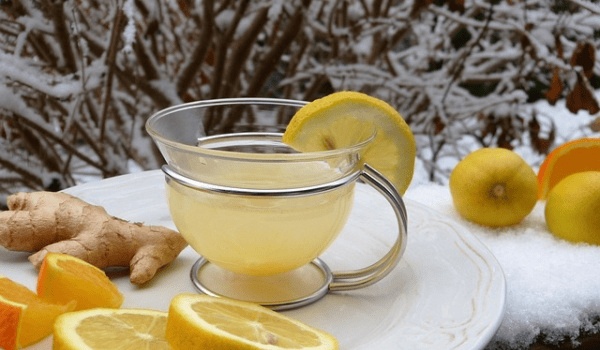
From TCM perspective, honey's sweet nature belongs to earth element which nourishes spleen-stomach axis. When diluted with cold water (below 30°C), its yin-nourishing property becomes dominant, helping to subdue excessive yang in heart meridian. However, this approach suits only those with "damp-heat constitution" - characterized by oily skin, sticky stools, and afternoon fever. For the majority with balanced constitution, room temperature water (20-25°C) maintains honey's bioactive compounds while preserving digestive enzymes' optimal activity.

Western nutrition science confirms that honey's antioxidants (flavonoids, phenolic acids) degrade above 60°C, losing their ability to combat oxidative stress. The Maillard reaction at high temperatures also produces advanced glycation end products (AGEs), which accelerate vascular aging. Neuroendocrine studies further reveal that warm honey water (40-45°C) enhances parasympathetic dominance, promoting melatonin secretion and improving sleep architecture - a finding mirroring TCM's "nourishing yin to calm yang" principle.
Personalized Prescription for Modern Dilemmas
For office workers experiencing "heart fire disturbance" (manifesting as palpitations, mouth ulcers, and insomnia), try this protocol: dissolve raw honey in room temperature water at 7 AM to support adrenal function, then repeat with warm water at 9 PM to enhance vagal tone. Those with "yin deficiency constitution" (dry skin, constipation, night sweats) should opt for cold dilution in morning and warm at night, creating a circadian rhythm-based yin-yang modulation.
Cardiovascular patients require special caution: a 2026 meta-analysis in Journal of Integrative Medicine showed that improper honey dilution increased plasma homocysteine levels by 18% in hypertensive subjects. The optimal protocol involves 15ml raw honey in 200ml water, with temperature adjusted according to meridian clock - cold between 11 AM-1 PM (heart meridian peak) to prevent fire flare, warm between 5-7 PM (kidney meridian time) to support water element.

Beyond Temperature: The Holistic Approach
True health optimization requires viewing honey dilution as part of larger lifestyle matrix. Combine with mindful breathing exercises (6 breaths per minute) to enhance vagal stimulation, and incorporate bitter greens (like dandelion) to counterbalance honey's sweetness. For those with metabolic syndrome, adding cinnamon powder to warm honey water improves insulin sensitivity through AMPK pathway activation - a finding validated by both TCM's "spicy resolving sweet" theory and Western pharmacodynamics.
Remember that individual constitution dictates all dietary adjustments. Those with "cold-damp constitution" (fatigue, loose stools, edema) should minimize cold dilution, while "fire-heat types" must avoid warm preparations during summer months. The key lies in observing subtle bodily signals - a slight coating on tongue indicates dampness accumulation, while dry mouth suggests yin deficiency requiring more hydrating preparations.
版权声明:本文内容由互联网用户自发贡献,该文观点仅代表作者本人。本站仅提供信息存储空间服务,不拥有所有权,不承担相关法律责任。如发现本站有涉嫌抄袭侵权/违法违规的内容, 请发送邮件至 972197909@qq.com 举报,一经查实,本站将立刻删除。如若转载,请注明出处:http://www.shenqiu123.com/healthyeating/1162.html