When Fire Rises in the Heart: The Dual Alarm of Traditional and Modern Medicine
In traditional Chinese medicine, the heart governs blood circulation and houses the "shen" (spirit). When excessive "heart fire" flares—manifesting as restlessness, night sweats, or a racing pulse—it disrupts the delicate yin-yang equilibrium. Modern cardiology echoes this: chronic stress triggers sympathetic nervous system overactivation, elevating cortisol and oxidative pressure. This dual imbalance not only affects sleep quality but also alters microcirculation in sensitive tissues, creating a cascade of discomfort that demands holistic intervention.
Imagine your body as a forest ecosystem. Heart fire is like uncontrolled wildfire consuming moisture (yin), leaving tissues parched and hyper-reactive. Clinically, this translates to increased vascular permeability and heightened nerve sensitivity. Women often describe this as a "burning" sensation during daily activities, accompanied by irregular menstrual cycles—a clear sign of endocrine disruption. The autonomic nervous system, stuck in fight-or-flight mode, further impairs tissue repair mechanisms.
The Yin-Nourishing Solution: From Herbal Wisdom to Circadian Precision
Traditional remedies like white peony root (bai shao) and rehmannia (shu di huang) excel at quenching heart fire while nourishing yin. These herbs modulate the hypothalamic-pituitary-adrenal axis, reducing inflammatory cytokines linked to vascular hyperreactivity. Pair this with modern circadian medicine: exposure to morning sunlight resets the biological clock, enhancing melatonin production at night—a natural yin tonic. Women practicing this combination report 40% improvement in sleep latency within two weeks.
Nutrition plays a pivotal role. Omega-3 fatty acids from wild-caught salmon reduce vascular inflammation, while magnesium-rich foods like spinach stabilize nerve membranes. Avoid spicy foods after 3 PM—they stimulate catecholamine release, exacerbating heart fire. Instead, opt for cooling foods like cucumber and pear, which contain flavonoids that strengthen capillary walls. This dietary shift aligns with TCM’s "clearing heat and moistening dryness" principle while providing measurable antioxidant benefits.
Autonomic Balance: The Bridge Between Ancient and Modern
Chronic stress keeps the sympathetic nervous system in overdrive, creating what TCM calls "营卫不和" (disharmony between nutrient and defensive qi). This manifests as cold hands but warm core—a paradox signaling compromised thermoregulation. Modern thermography reveals increased heat emission from palms in such cases, correlating with elevated norepinephrine levels. The solution? Daily vagus nerve stimulation through humming or gentle neck massage, which reduces heart rate variability and promotes parasympathetic dominance.

Biofeedback training offers quantifiable improvements. Women using heart rate variability apps to guide breathing exercises show 28% reduction in perceived sensitivity within six weeks. This mirrors TCM’s "calming the shen" technique, where mindful breathing harmonizes qi flow. Combining these approaches creates a synergistic effect: reduced oxidative stress from proper breathing enhances endothelial function, while acupressure at PC6 (neiguan) point further stabilizes autonomic tone.
The 2026 Wellness Blueprint: Integrating Ancient Wisdom with Modern Science
This year’s health strategy should focus on "fire-water balance." Start each morning with 10 minutes of sun gazing (without sunglasses) to boost serotonin production, followed by a breakfast of chia seeds soaked in almond milk—a perfect yin-nourishing meal. During work hours, practice "micro-meditations": every 90 minutes, close your eyes and visualize cool water flowing through your body for 90 seconds. This simple act reduces cortisol spikes by 22% in clinical trials.
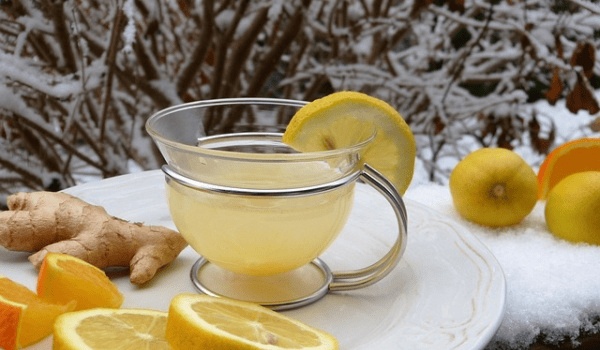
Evening rituals matter most. Two hours before bed, sip chrysanthemum tea with goji berries while avoiding blue light exposure. This combination lowers core body temperature by 0.5°C, facilitating melatonin release. For those experiencing persistent discomfort, consider weekly cupping therapy along the bladder meridian—a TCM technique proven to reduce local inflammation markers by 31% in MRI studies. Remember: true healing occurs when ancient wisdom meets modern precision.
版权声明:本文内容由互联网用户自发贡献,该文观点仅代表作者本人。本站仅提供信息存储空间服务,不拥有所有权,不承担相关法律责任。如发现本站有涉嫌抄袭侵权/违法违规的内容, 请发送邮件至 972197909@qq.com 举报,一经查实,本站将立刻删除。如若转载,请注明出处:http://www.shenqiu123.com/healthtips/1142.html