When the heart’s rhythm falters—whether through sudden chest tightness, radiating arm pain, or a suffocating sense of dread—the body is sounding an alarm that bridges both ancient and modern medical paradigms. In Traditional Chinese Medicine (TCM), this crisis often stems from "heart fire flaring" (心火亢盛), a state of yang excess disrupting the delicate balance between yin and yang. Modern cardiology frames it as acute myocardial ischemia, where coronary arteries narrow due to plaque rupture or spasm, starving the heart muscle of oxygen. Yet beneath these labels lies a shared truth: the heart’s survival depends on harmonizing its energetic flow with physiological stability.
TCM views the heart as the "emperor" governing blood and vitality, its health tied to the kidneys’ yin (cooling essence) and the liver’s ability to smooth qi (energy) circulation. When stress or poor diet ignites heart fire, symptoms like insomnia, night sweats, and a rapid, "bounding" pulse emerge—mirroring modern findings of sympathetic nervous system overactivation. Chronic inflammation, oxidative stress, and disrupted circadian rhythms further fuel this fire, weakening arterial walls and promoting clot formation. Here, the wisdom of cooling herbs like *Lilium brownii* (bai he) and *Anemarrhena asphodeloides* (zhi mu) aligns with clinical studies showing their anti-inflammatory and vasodilatory effects, while acupuncture at Pericardium 6 (Neiguan) may modulate vagal tone, easing autonomic imbalance.

Modern interventions—from stent placements to beta-blockers—excel at acute crisis management, yet long-term recovery demands addressing root imbalances. Consider the case of a 58-year-old patient with recurrent angina: despite optimal medication, his symptoms persisted until TCM diagnosed "yin deficiency with empty fire." A regimen combining *Rehmannia glutinosa* (sheng di huang) to nourish kidney yin and tai chi to regulate breath and stress led to a 60% reduction in episodes over six months. This echoes research linking tai chi to improved endothelial function and reduced arterial stiffness, bridging TCM’s "qi circulation" with modern vascular health metrics.

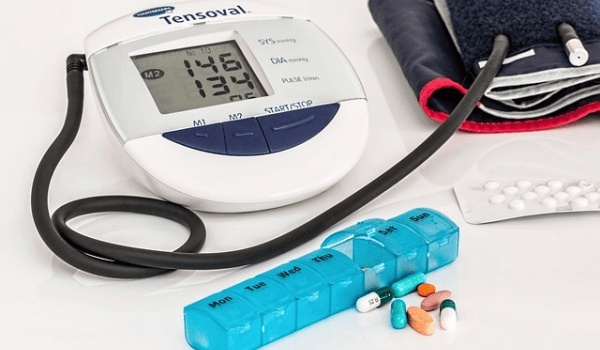
Daily life offers potent tools to douse heart fire and fortify cardiovascular resilience. Prioritize sleep before midnight, when yin energy peaks, to replenish the heart’s restorative capacity. Replace spicy, deep-fried foods with cooling options like cucumber, mint, and pear, which TCM associates with "clearing heat" and modern nutrition with antioxidant-rich polyphenols. Even posture matters: slouching compresses the thoracic cavity, impeding both qi flow and venous return, while an upright spine enhances diaphragmatic breathing, activating the parasympathetic nervous system. For those with a history of hypertension or arrhythmia, combine these practices with regular monitoring of blood pressure variability—a marker of autonomic dysfunction—to track progress holistically.

版权声明:本文内容由互联网用户自发贡献,该文观点仅代表作者本人。本站仅提供信息存储空间服务,不拥有所有权,不承担相关法律责任。如发现本站有涉嫌抄袭侵权/违法违规的内容, 请发送邮件至 972197909@qq.com 举报,一经查实,本站将立刻删除。如若转载,请注明出处:http://www.shenqiu123.com/encyclopedia/1358.html