What Exactly Is Low Blood Pressure?
Low blood pressure, also known as hypotension, is a condition where the force of blood against the artery walls is lower than normal. While high blood pressure often grabs headlines, low blood pressure can also have significant impacts on your health and daily life. It's essential to understand what constitutes low blood pressure, its potential causes, and how to manage it effectively.
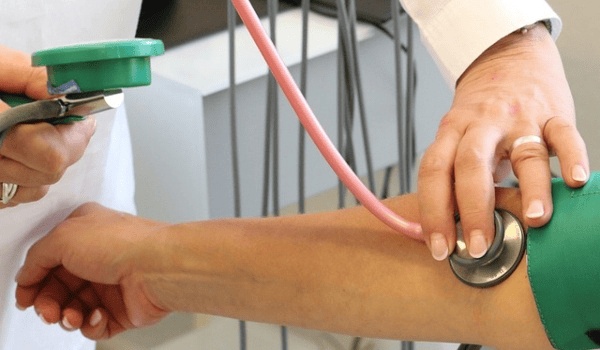
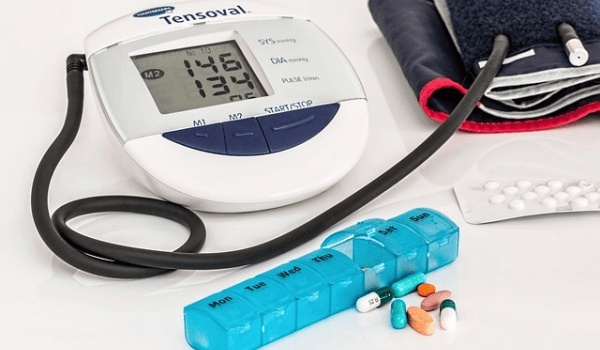
Blood pressure is measured in millimeters of mercury (mmHg) and is represented by two numbers: systolic pressure (the top number) and diastolic pressure (the bottom number). A reading of 90/60 mmHg or lower is generally considered low blood pressure. However, what's considered "low" can vary from person to person, and some individuals may not experience any symptoms at all.

Common Causes of Low Blood Pressure
Several factors can contribute to low blood pressure. One of the most common is dehydration, which reduces blood volume and, consequently, blood pressure. Prolonged bed rest, pregnancy, and certain medications, such as those for high blood pressure or heart conditions, can also lead to hypotension. Additionally, underlying medical conditions like heart problems, endocrine disorders, or neurological issues may be responsible.
In some cases, low blood pressure can be a sign of a more serious underlying condition. For instance, septic shock, a severe infection that leads to a drop in blood pressure, can be life-threatening if not treated promptly. Similarly, anaphylactic shock, a severe allergic reaction, can also cause a sudden and dangerous drop in blood pressure.

Recognizing the Symptoms and Seeking Treatment
Symptoms of low blood pressure can range from mild to severe and may include dizziness, lightheadedness, fainting, blurred vision, nausea, and fatigue. If you experience any of these symptoms regularly, it's crucial to consult a healthcare professional for a proper diagnosis and treatment plan.
Treatment for low blood pressure depends on the underlying cause. In many cases, lifestyle changes such as increasing fluid intake, eating a balanced diet rich in salt and potassium, and engaging in regular physical activity can help raise blood pressure. If medications are the cause, your doctor may adjust your dosage or switch you to a different medication. For more severe cases, medical intervention may be necessary to stabilize blood pressure and prevent complications.

In conclusion, understanding low blood pressure is crucial for maintaining good health. By recognizing the causes, symptoms, and management strategies, you can take proactive steps to keep your blood pressure within a healthy range and enjoy a better quality of life!
版权声明:本文内容由互联网用户自发贡献,该文观点仅代表作者本人。本站仅提供信息存储空间服务,不拥有所有权,不承担相关法律责任。如发现本站有涉嫌抄袭侵权/违法违规的内容, 请发送邮件至 972197909@qq.com 举报,一经查实,本站将立刻删除。如若转载,请注明出处:http://www.shenqiu123.com/encyclopedia/495.html