Understanding Dysmenorrhea and Traditional Chinese Medicine
Dysmenorrhea, commonly known as menstrual cramps, is a prevalent condition that affects many women worldwide. It is characterized by painful sensations in the lower abdomen during menstruation, often accompanied by other symptoms such as nausea, fatigue, and mood swings. While modern medicine offers various treatments, traditional Chinese medicine (TCM) has also gained recognition for its holistic approach to managing dysmenorrhea. If you're considering TCM for relief, you might wonder which department to visit for the most effective treatment.
The Right Department for TCM Dysmenorrhea Treatment
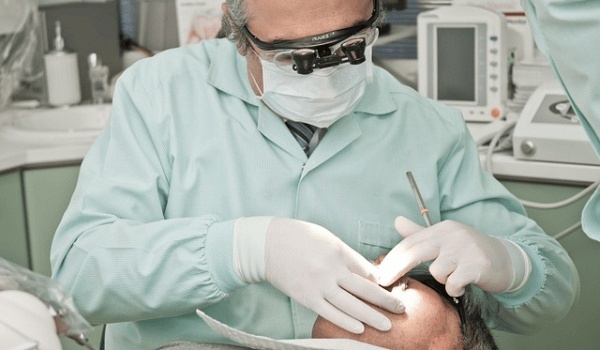
When seeking traditional Chinese medicine treatment for dysmenorrhea, the most appropriate department to visit is typically the gynecology department within a TCM hospital or clinic. This department specializes in women's health issues and is staffed by experienced TCM practitioners who are well-versed in diagnosing and treating conditions like dysmenorrhea using ancient techniques and herbal remedies.
Upon your visit, the TCM gynecologist will conduct a thorough assessment, which may include asking about your medical history, menstrual cycle patterns, and the severity of your symptoms. They may also perform a physical examination and, if necessary, recommend additional tests to rule out any underlying conditions that could be contributing to your dysmenorrhea.
TCM Treatment Approaches for Dysmenorrhea
Traditional Chinese medicine offers a range of treatment options for dysmenorrhea, tailored to each individual's unique needs and symptoms. These may include herbal medicine, acupuncture, moxibustion, and dietary therapy. Herbal remedies are often prescribed to regulate menstrual cycles, reduce inflammation, and alleviate pain. Acupuncture, on the other hand, involves the insertion of fine needles into specific points on the body to stimulate energy flow and promote healing.
Moxibustion, a technique that involves burning mugwort leaves near the skin, is another TCM method used to warm and stimulate acupuncture points, thereby improving blood circulation and relieving pain. Additionally, dietary therapy plays a crucial role in TCM, with practitioners recommending specific foods and herbs to support overall health and balance during menstruation.

By visiting the right department and receiving personalized TCM treatment, you can effectively manage your dysmenorrhea and improve your quality of life during menstruation. Remember to consult with a qualified TCM practitioner to ensure safe and effective treatment!
版权声明:本文内容由互联网用户自发贡献,该文观点仅代表作者本人。本站仅提供信息存储空间服务,不拥有所有权,不承担相关法律责任。如发现本站有涉嫌抄袭侵权/违法违规的内容, 请发送邮件至 972197909@qq.com 举报,一经查实,本站将立刻删除。如若转载,请注明出处:http://www.shenqiu123.com/sexual/3333.html