Understanding Hives Through Traditional Chinese Medicine
Hives, medically known as urticaria, are a common skin condition characterized by itchy, raised welts on the skin. While modern medicine often attributes hives to allergic reactions or stress, traditional Chinese medicine (TCM) offers a unique perspective on their underlying causes. TCM views the body as an interconnected system where balance is key to health, and any disruption can lead to various ailments, including hives.
According to TCM principles, hives are primarily caused by imbalances in the body's energy flow, or Qi, and the presence of internal heat or dampness. These imbalances can stem from a variety of factors, including dietary habits, emotional stress, environmental influences, and even genetic predispositions.
Dietary Factors and Hives
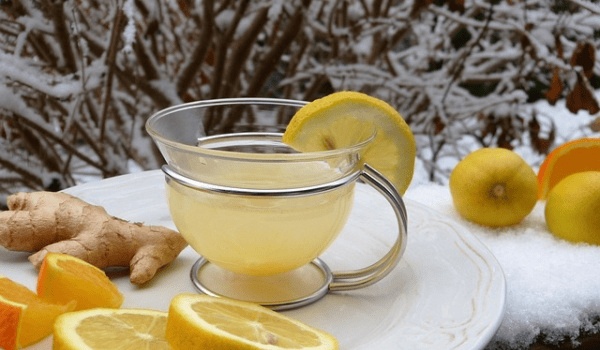
In TCM, diet plays a crucial role in maintaining health and preventing diseases. Certain foods are believed to generate internal heat or dampness, which can trigger hives in susceptible individuals. Spicy, greasy, and fried foods are commonly identified as culprits, as they can increase the body's internal temperature and disrupt the balance of Qi. On the other hand, consuming excessive amounts of cold or raw foods can also lead to dampness accumulation, further contributing to the development of hives.
To prevent hives through diet, TCM recommends adopting a balanced and nutritious eating plan that includes a variety of fruits, vegetables, whole grains, and lean proteins. It's also advisable to avoid foods that are known to trigger allergic reactions or exacerbate existing skin conditions.

Emotional Stress and Hives
Emotional stress is another significant factor that TCM associates with hives. According to TCM theory, prolonged emotional distress, such as anxiety, anger, or sadness, can disrupt the flow of Qi and lead to the accumulation of internal heat or dampness. This, in turn, can manifest as hives on the skin.
To manage stress and reduce the risk of hives, TCM suggests incorporating relaxation techniques into daily life, such as meditation, deep breathing exercises, or yoga. Additionally, seeking support from friends, family, or a mental health professional can also be beneficial in managing emotional stress and maintaining overall well-being.

Conclusion: A Holistic Approach to Hives Prevention
Traditional Chinese medicine offers a holistic approach to understanding and preventing hives by addressing the underlying imbalances in the body. By adopting a balanced diet, managing emotional stress, and paying attention to environmental factors, individuals can reduce their risk of developing hives and promote overall skin health. Remember, prevention is always better than cure, and taking proactive steps to maintain balance in the body can go a long way in preventing hives and other skin conditions!
版权声明:本文内容由互联网用户自发贡献,该文观点仅代表作者本人。本站仅提供信息存储空间服务,不拥有所有权,不承担相关法律责任。如发现本站有涉嫌抄袭侵权/违法违规的内容, 请发送邮件至 972197909@qq.com 举报,一经查实,本站将立刻删除。如若转载,请注明出处:http://www.shenqiu123.com/sexual/3331.html