The Link Between Hypertension and Tea Consumption
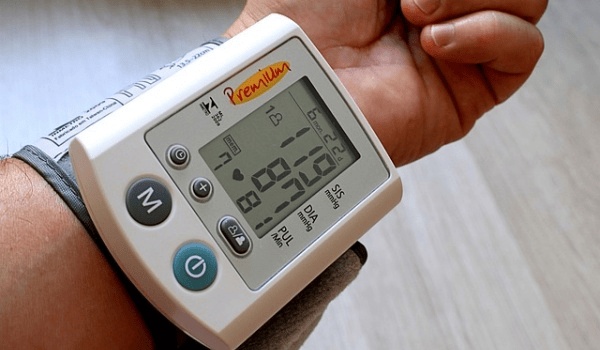
Hypertension, commonly known as high blood pressure, affects millions worldwide and is a leading risk factor for heart disease and stroke. While medication and lifestyle changes are primary treatments, emerging research suggests that incorporating certain teas into your daily routine could offer complementary benefits. If you've been struggling to manage your blood pressure, sticking to a tea-drinking habit for six months might yield surprising results.
1. Improved Blood Pressure Regulation
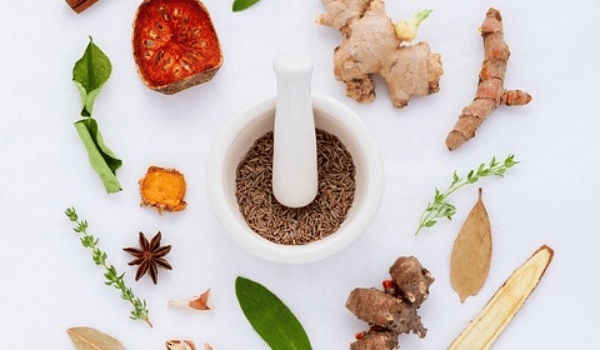
One of the most notable benefits of regular tea consumption is its potential to support healthy blood pressure levels. Studies indicate that compounds like flavonoids and polyphenols found in teas such as green tea, hibiscus tea, and oolong tea may help relax blood vessels and reduce arterial stiffness. Over time, this can lead to more stable blood pressure readings. Many patients report noticeable improvements within three to six months of consistent tea intake, often reducing their reliance on medication under medical supervision.
2. Enhanced Cardiovascular Health
Beyond blood pressure control, tea drinking has been linked to better overall heart health. The antioxidants in tea help combat inflammation and oxidative stress, two key contributors to cardiovascular disease. Regular consumption may lower LDL ("bad") cholesterol levels while boosting HDL ("good") cholesterol. Additionally, some teas contain potassium, which supports proper heart function and fluid balance. These cumulative effects create a protective shield for your heart, especially when combined with a balanced diet and exercise.
3. Reduced Stress and Anxiety Levels
Chronic stress is a silent enemy of hypertension management. The act of brewing and sipping tea can serve as a mindful ritual, promoting relaxation and reducing cortisol levels. Herbal teas like chamomile, lavender, and lemon balm are particularly effective for calming the nervous system. By incorporating a daily tea break into your routine, you may experience fewer stress-related spikes in blood pressure and an overall sense of well-being. This mental shift often translates to better adherence to healthy habits, creating a positive feedback loop for your health.

How to Incorporate Tea Into Your Hypertension Management Plan
For optimal results, choose unsweetened, caffeine-free varieties or limit caffeine intake to morning hours. Aim for 2-3 cups daily, spaced evenly throughout the day. Always consult your healthcare provider before making significant dietary changes, especially if you're on blood pressure medication. Remember, tea is not a replacement for prescribed treatment but a supportive addition to a holistic health approach.
By committing to this simple yet powerful habit, you may discover that managing hypertension becomes more sustainable and enjoyable. The transformations you'll witness after six months might just inspire you to make tea a lifelong health ally!
版权声明:本文内容由互联网用户自发贡献,该文观点仅代表作者本人。本站仅提供信息存储空间服务,不拥有所有权,不承担相关法律责任。如发现本站有涉嫌抄袭侵权/违法违规的内容, 请发送邮件至 972197909@qq.com 举报,一经查实,本站将立刻删除。如若转载,请注明出处:http://www.shenqiu123.com/healthyeating/2176.html