Understanding High Blood Lipids and Dietary Restrictions
High blood lipids, a condition characterized by elevated levels of cholesterol and triglycerides in the blood, can be a cause for concern for many individuals. However, it's essential to recognize that not everyone with high blood lipids needs to adhere to strict dietary restrictions. In fact, over-restricting your diet can sometimes lead to nutritional deficiencies and other health issues. The key is to understand your body's signals and make informed dietary choices based on your specific condition.
Four Signs That Indicate You Can Eat Without Worry
1. Stable Weight and Body Mass Index (BMI)
If your weight and BMI have remained stable over time, it's a good indication that your current dietary habits are not contributing significantly to your high blood lipids. Of course, maintaining a healthy weight through a balanced diet and regular exercise is always beneficial, but you don't need to drastically alter your eating patterns if your weight is under control.
2. Normal Blood Pressure Readings
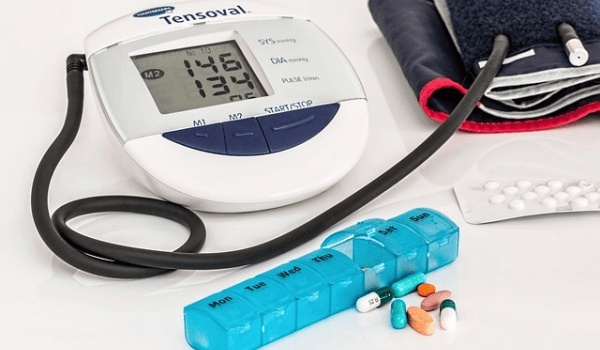
High blood lipids often go hand in hand with high blood pressure. If your blood pressure readings are consistently within the normal range, it suggests that your cardiovascular system is functioning relatively well, and you may not need to impose severe dietary restrictions.

3. No History of Heart Disease or Stroke
Individuals with a family history of heart disease or stroke, or those who have experienced these conditions themselves, need to be more cautious about their diet. However, if you have no such history, and your doctor hasn't identified any specific risks, you can enjoy a wider variety of foods without undue worry.
4. Regular Physical Activity
Engaging in regular physical activity can help improve your lipid profile by increasing HDL (good) cholesterol and reducing LDL (bad) cholesterol. If you're active and maintain a consistent exercise routine, you may have more flexibility in your diet.

Making Informed Dietary Choices
While the absence of these four signs may allow you to eat without excessive worry, it's still crucial to make informed dietary choices. Focus on incorporating whole grains, fruits, vegetables, lean proteins, and healthy fats into your diet. Limit your intake of processed foods, sugary drinks, and saturated fats. By adopting a balanced and nutritious eating pattern, you can support your overall health and manage your blood lipids effectively.
Remember, everyone's body is unique, and what works for one person may not work for another. It's always best to consult with a healthcare professional or a registered dietitian for personalized advice on managing high blood lipids through diet and lifestyle changes. Don't let unnecessary dietary restrictions hold you back from enjoying a healthy and fulfilling life!
版权声明:本文内容由互联网用户自发贡献,该文观点仅代表作者本人。本站仅提供信息存储空间服务,不拥有所有权,不承担相关法律责任。如发现本站有涉嫌抄袭侵权/违法违规的内容, 请发送邮件至 972197909@qq.com 举报,一经查实,本站将立刻删除。如若转载,请注明出处:http://www.shenqiu123.com/healthyeating/2120.html