Understanding Purpura and Its Traditional Chinese Medicine Approach
Purpura, a condition characterized by purple or red discolorations on the skin, often arises from bleeding beneath the skin's surface. While it can be caused by various factors, including infections, medications, or underlying medical conditions, traditional Chinese medicine (TCM) offers a holistic approach to managing and treating purpura. By addressing the root causes and balancing the body's internal systems, TCM aims to alleviate symptoms and promote overall well-being.
Key TCM Principles in Treating Purpura
TCM views purpura as a manifestation of internal disharmony, often linked to blood stasis, heat in the blood, or a deficiency in vital energy (Qi). The treatment strategy focuses on restoring balance by improving blood circulation, clearing heat, and nourishing Qi. Herbal remedies, acupuncture, and dietary adjustments are commonly employed to achieve these goals.

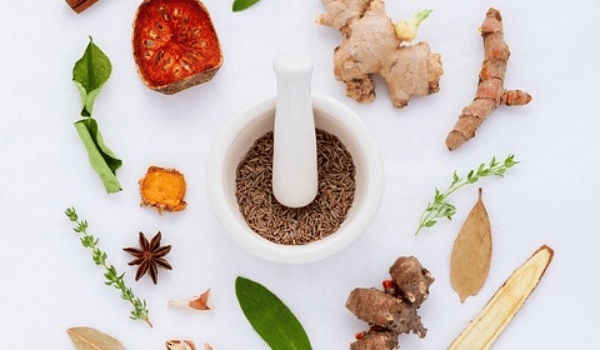
Herbal formulas play a central role in TCM treatment for purpura. These formulas are carefully crafted to target specific symptoms and underlying imbalances. For instance, herbs like red peony root and salvia are known for their blood-activating properties, helping to improve circulation and reduce stasis. Meanwhile, herbs such as honeysuckle and forsythia are used to clear heat from the blood, reducing inflammation and preventing further bleeding.
Acupuncture and Dietary Adjustments in TCM
Acupuncture, another cornerstone of TCM, involves the insertion of fine needles at specific points on the body to stimulate energy flow and promote healing. In the case of purpura, acupuncture can help regulate blood circulation, reduce inflammation, and enhance the body's natural healing mechanisms. Regular sessions, combined with herbal treatment, can significantly improve symptoms and prevent recurrences.

Dietary adjustments are also crucial in TCM treatment for purpura. Patients are advised to consume foods that nourish the blood and Qi, such as leafy greens, lean meats, and whole grains. At the same time, they should avoid spicy, greasy, or processed foods that can aggravate heat in the blood or contribute to blood stasis. A balanced diet, rich in nutrients and antioxidants, supports the body's healing process and enhances the effectiveness of TCM treatments.

In conclusion, traditional Chinese medicine offers a comprehensive and effective approach to treating purpura. By addressing the root causes and promoting internal balance, TCM can alleviate symptoms, prevent recurrences, and improve overall quality of life. If you're struggling with purpura, consider consulting a qualified TCM practitioner to explore personalized treatment options tailored to your needs!
版权声明:本文内容由互联网用户自发贡献,该文观点仅代表作者本人。本站仅提供信息存储空间服务,不拥有所有权,不承担相关法律责任。如发现本站有涉嫌抄袭侵权/违法违规的内容, 请发送邮件至 972197909@qq.com 举报,一经查实,本站将立刻删除。如若转载,请注明出处:http://www.shenqiu123.com/tcm/3237.html