What Is a Lung Abscess?
A lung abscess, known as "Fei Yong" in traditional Chinese medicine (TCM), is a serious condition characterized by the formation of pus within lung tissue. This condition often results from bacterial infections, aspiration of foreign materials, or underlying health issues. Symptoms may include persistent cough, chest pain, fever, and difficulty breathing. Early diagnosis and appropriate treatment are crucial for recovery and preventing complications.
TCM Perspectives on Lung Abscess
Traditional Chinese medicine views lung abscess as a manifestation of internal imbalances, particularly involving heat and dampness. According to TCM theory, the lungs are responsible for regulating qi (vital energy) and maintaining moisture balance. When external pathogens or internal factors disrupt this balance, heat and dampness can accumulate, leading to inflammation and the formation of abscesses.
TCM practitioners emphasize the importance of identifying the specific pattern of disharmony to tailor treatment effectively. This involves assessing the patient's symptoms, tongue appearance, and pulse quality to determine the underlying cause and appropriate therapeutic approach.

TCM Treatment Strategies for Lung Abscess
The primary goal of TCM treatment for lung abscess is to clear heat, resolve dampness, and promote the drainage of pus. This is achieved through a combination of herbal medicine, acupuncture, and dietary adjustments.
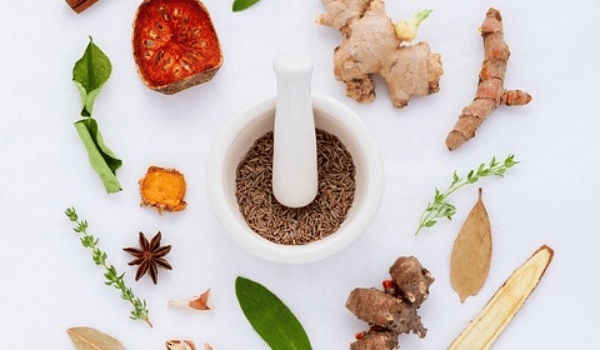
Herbal Medicine: TCM herbal formulas are carefully selected based on the patient's specific condition. Commonly used herbs include Huang Qin (Scutellaria baicalensis) for clearing heat, Yi Yi Ren (Coix lacryma-jobi) for resolving dampness, and Bai Jiang Cao (Patrinia villosa) for promoting pus drainage. These herbs work synergistically to reduce inflammation, fight infection, and support the body's natural healing processes.
Acupuncture: Acupuncture is another valuable tool in TCM treatment for lung abscess. By stimulating specific acupoints, acupuncture can help regulate qi flow, enhance immune function, and alleviate symptoms such as cough and chest pain. Acupuncture sessions are typically tailored to the individual's needs and may be combined with other TCM modalities for optimal results.

Dietary Adjustments: Diet plays a crucial role in TCM treatment for lung abscess. Patients are advised to avoid spicy, greasy, and sweet foods that can exacerbate heat and dampness. Instead, they should focus on consuming light, nourishing foods such as vegetables, fruits, and whole grains. Additionally, staying hydrated and getting adequate rest are essential for supporting the body's recovery process.
Conclusion
Traditional Chinese medicine offers a holistic approach to treating lung abscess by addressing the underlying imbalances that contribute to the condition. Through a combination of herbal medicine, acupuncture, and dietary adjustments, TCM can help alleviate symptoms, promote healing, and prevent recurrence. If you or someone you know is experiencing symptoms of lung abscess, consider consulting a qualified TCM practitioner for personalized treatment and support!
版权声明:本文内容由互联网用户自发贡献,该文观点仅代表作者本人。本站仅提供信息存储空间服务,不拥有所有权,不承担相关法律责任。如发现本站有涉嫌抄袭侵权/违法违规的内容, 请发送邮件至 972197909@qq.com 举报,一经查实,本站将立刻删除。如若转载,请注明出处:http://www.shenqiu123.com/tcm/3185.html