Understanding Cold Urticaria
Cold urticaria is a skin condition characterized by the sudden appearance of itchy, red welts or hives on the skin after exposure to cold temperatures. This can include cold air, cold water, or even cold objects touching the skin. The reaction can range from mild to severe, with symptoms such as swelling, itching, and even difficulty breathing in extreme cases. While modern medicine offers various treatments, traditional Chinese medicine (TCM) provides a holistic approach to managing and alleviating the symptoms of cold urticaria.
TCM Principles for Treating Cold Urticaria
In TCM, cold urticaria is often viewed as a result of an imbalance in the body's energy, or Qi, particularly involving the lung and spleen meridians. The primary goal of TCM treatment is to restore balance and harmony within the body, thereby reducing the frequency and severity of urticaria outbreaks. This is achieved through a combination of herbal remedies, acupuncture, and dietary adjustments.

Herbal Remedies for Cold Urticaria
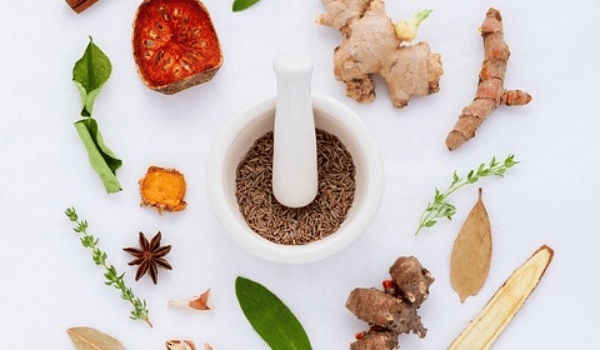
Herbal medicine plays a crucial role in TCM treatment for cold urticaria. Herbs such as astragalus (Huang Qi), ginger (Sheng Jiang), and cinnamon (Rou Gui) are commonly used to warm the body, improve circulation, and boost the immune system. These herbs can be taken in the form of teas, decoctions, or supplements, depending on the individual's needs and preferences. It's important to consult with a qualified TCM practitioner to determine the most appropriate herbal formula for your specific condition.
Acupuncture for Symptom Relief
Acupuncture is another key component of TCM treatment for cold urticaria. By inserting fine needles into specific acupoints on the body, acupuncture helps to stimulate the flow of Qi and blood, promoting healing and reducing inflammation. Regular acupuncture sessions can help to alleviate the itching and swelling associated with cold urticaria, as well as improve overall well-being.

Dietary Adjustments for Prevention
Diet plays a vital role in TCM, and making appropriate dietary adjustments can help to prevent cold urticaria outbreaks. Avoiding cold and raw foods, which can further weaken the body's yang energy, is recommended. Instead, focus on consuming warm, cooked foods that are rich in nutrients and easy to digest. Incorporating spices like ginger and cinnamon into your meals can also help to warm the body from within.
By combining herbal remedies, acupuncture, and dietary adjustments, TCM offers a comprehensive and natural approach to managing cold urticaria. If you're struggling with this condition, consider consulting with a qualified TCM practitioner to explore your treatment options and find relief from your symptoms!
版权声明:本文内容由互联网用户自发贡献,该文观点仅代表作者本人。本站仅提供信息存储空间服务,不拥有所有权,不承担相关法律责任。如发现本站有涉嫌抄袭侵权/违法违规的内容, 请发送邮件至 972197909@qq.com 举报,一经查实,本站将立刻删除。如若转载,请注明出处:http://www.shenqiu123.com/tcm/2923.html