Understanding Eczema and Its Impact
Eczema, also known as atopic dermatitis, is a chronic skin condition characterized by red, itchy, and inflamed patches on the skin. It affects millions of people worldwide, regardless of age or gender, and can significantly disrupt daily life due to its persistent symptoms. While conventional treatments often focus on managing symptoms through topical creams and antihistamines, many individuals seek alternative therapies for long-term relief and holistic healing. One such alternative is Traditional Chinese Medicine (TCM), which has been used for centuries to address various health issues, including skin conditions like eczema.
The Principles of Traditional Chinese Medicine for Eczema
TCM views eczema as a manifestation of internal imbalances, particularly involving the liver, spleen, and lungs. According to TCM theory, these organs play crucial roles in regulating the body's energy flow, or "Qi," and maintaining harmony between the body and its environment. When these organs are out of balance, it can lead to the accumulation of "dampness" and "heat" in the body, which manifests externally as eczema. TCM treatments aim to restore this balance by addressing the root cause of the condition rather than just alleviating symptoms.
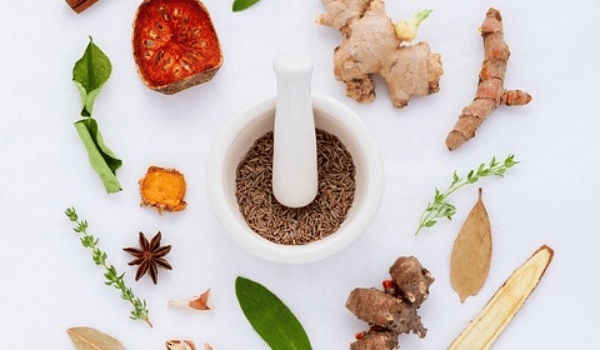
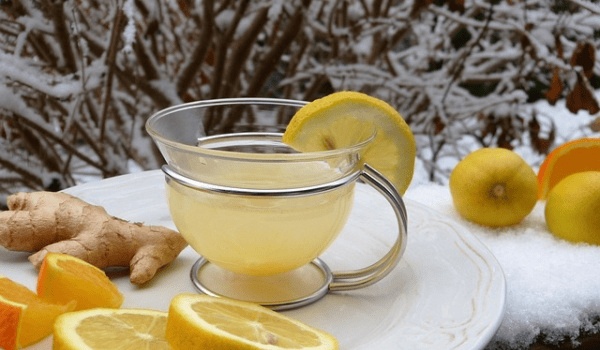
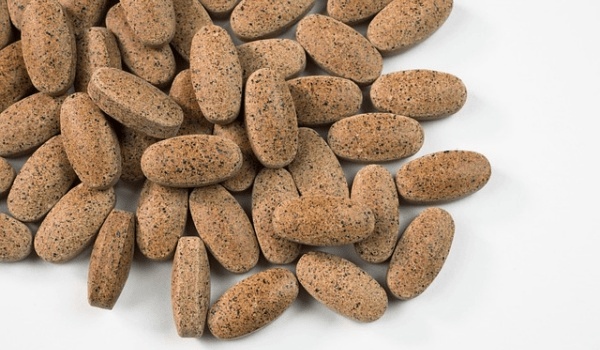
Herbal remedies are a cornerstone of TCM for eczema. Practitioners may prescribe a combination of herbs tailored to the individual's specific symptoms and underlying imbalances. These herbs work synergistically to reduce inflammation, soothe itching, and promote skin healing. Commonly used herbs include licorice root, which has anti-inflammatory properties, and dandelion, which helps detoxify the body and reduce dampness.
Combining TCM with Lifestyle Adjustments
In addition to herbal remedies, TCM emphasizes the importance of lifestyle adjustments in managing eczema. This includes following a balanced diet that avoids foods known to trigger flare-ups, such as dairy, gluten, and processed sugars. Instead, individuals are encouraged to consume foods that nourish the body and support organ function, such as leafy greens, whole grains, and lean proteins.
Stress management is also crucial in TCM for eczema. Chronic stress can weaken the immune system and exacerbate symptoms. Practices like acupuncture, meditation, and tai chi can help reduce stress levels and promote relaxation, thereby supporting the body's natural healing processes.
The Evidence Supporting TCM for Eczema
While scientific research on TCM for eczema is still evolving, several studies have shown promising results. For instance, a 026 review of clinical trials found that certain herbal formulas used in TCM were effective in reducing eczema symptoms and improving quality of life for patients. Another study published in a reputable medical journal demonstrated that acupuncture could significantly reduce itching and inflammation in individuals with eczema.
It's important to note that TCM should be used as a complementary therapy alongside conventional treatments, rather than as a replacement. Consulting with a qualified TCM practitioner and a healthcare provider is essential to ensure a safe and effective treatment plan tailored to individual needs.

In conclusion, Traditional Chinese Medicine offers a holistic approach to treating eczema by addressing internal imbalances and promoting overall well-being. While more research is needed to fully understand its mechanisms and effectiveness, many individuals have found relief through TCM therapies. If you're struggling with eczema, consider exploring TCM as a complementary option to enhance your treatment journey!
版权声明:本文内容由互联网用户自发贡献,该文观点仅代表作者本人。本站仅提供信息存储空间服务,不拥有所有权,不承担相关法律责任。如发现本站有涉嫌抄袭侵权/违法违规的内容, 请发送邮件至 972197909@qq.com 举报,一经查实,本站将立刻删除。如若转载,请注明出处:http://www.shenqiu123.com/tcm/2905.html