Understanding Qi and Blood Deficiency
In traditional Chinese medicine (TCM), qi and blood are fundamental substances that sustain life and health. Qi represents vital energy, while blood nourishes the body and supports its functions. When there is a deficiency in either qi or blood, it can lead to a range of symptoms, including fatigue, pale complexion, dizziness, and poor concentration. Addressing these deficiencies is crucial for restoring balance and promoting overall well-being.
Dietary Adjustments for Qi and Blood Enhancement
One of the most effective ways to balance qi and blood deficiency is through dietary modifications. Incorporating foods rich in iron, such as red meat, spinach, and lentils, can help boost blood production. Additionally, consuming foods that support qi, like ginger, garlic, and whole grains, can enhance energy levels and vitality. It's also important to stay hydrated and avoid excessive consumption of cold or raw foods, which can weaken the digestive system and hinder nutrient absorption.
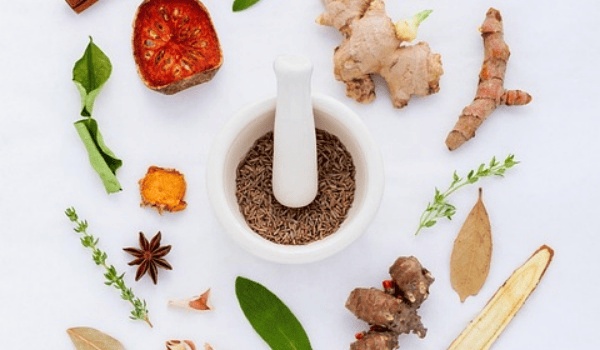
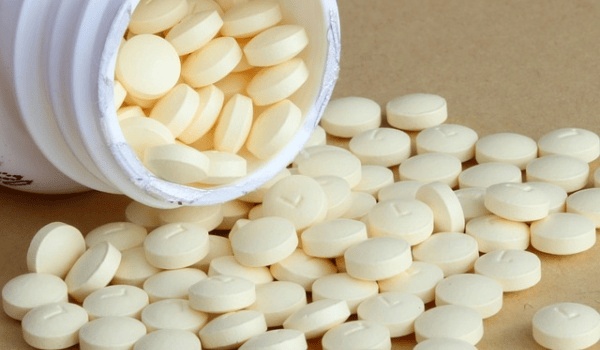
Herbal remedies are another cornerstone of TCM for addressing qi and blood deficiency. Ginseng, for instance, is renowned for its ability to tonify qi and improve stamina. Astragalus root is another potent herb that strengthens the immune system and supports blood circulation. These herbs can be consumed in various forms, such as teas, soups, or supplements, under the guidance of a qualified TCM practitioner.
Lifestyle Practices to Support Qi and Blood Balance
In addition to dietary changes, adopting certain lifestyle practices can significantly contribute to balancing qi and blood. Regular exercise, such as tai chi or yoga, promotes the flow of qi and enhances blood circulation. These gentle forms of exercise also help reduce stress and improve mental clarity, further supporting overall health.

Getting adequate sleep is equally vital for maintaining qi and blood balance. Aim for seven to eight hours of quality sleep each night to allow your body to rest and rejuvenate. Establishing a consistent sleep schedule and creating a relaxing bedtime routine can help improve sleep quality and duration.
Finally, managing stress is crucial for preventing qi and blood depletion. Chronic stress can disrupt the body's natural balance and lead to a host of health issues. Incorporating stress-reduction techniques, such as meditation, deep breathing exercises, or spending time in nature, can help calm the mind and restore harmony to the body.
By making these dietary and lifestyle adjustments, you can effectively balance qi and blood deficiency and promote optimal health and vitality. Remember to consult with a qualified TCM practitioner for personalized advice and guidance tailored to your specific needs and health conditions!
版权声明:本文内容由互联网用户自发贡献,该文观点仅代表作者本人。本站仅提供信息存储空间服务,不拥有所有权,不承担相关法律责任。如发现本站有涉嫌抄袭侵权/违法违规的内容, 请发送邮件至 972197909@qq.com 举报,一经查实,本站将立刻删除。如若转载,请注明出处:http://www.shenqiu123.com/sexual/3484.html