Introduction to Mulberry Leaves
Mulberry leaves, often overlooked in the world of superfoods, have been used for centuries in traditional medicine across Asia and Europe. These nutrient-dense leaves are not only a staple for silkworms but also offer a wealth of health benefits for humans. Packed with vitamins, minerals, and unique bioactive compounds, mulberry leaves are emerging as a powerful addition to modern wellness routines.
Rich in Antioxidants and Anti-Inflammatory Properties
One of the most remarkable benefits of mulberry leaves lies in their high antioxidant content. These antioxidants, including quercetin, kaempferol, and chlorogenic acid, help combat oxidative stress—a key driver of chronic inflammation and age-related diseases. Studies suggest that regular consumption of mulberry leaves may reduce inflammation markers in the body, potentially lowering the risk of conditions like arthritis, heart disease, and certain cancers.
The leaves also contain gamma-aminobutyric acid (GABA), a neurotransmitter known for its calming effects. This makes mulberry leaves a natural ally in managing stress and promoting mental clarity.

Blood Sugar Management and Metabolic Support
For those concerned about blood sugar levels, mulberry leaves offer promising benefits. Research indicates that compounds like 1-deoxynojirimycin (DNJ) in mulberry leaves inhibit enzymes that break down carbohydrates, slowing sugar absorption into the bloodstream. This natural mechanism may help stabilize blood glucose levels, making mulberry leaves a valuable dietary addition for individuals with diabetes or prediabetes in 2026.
Additionally, mulberry leaves may support weight management by improving insulin sensitivity and reducing fat accumulation. Their high fiber content also promotes satiety, curbing overeating and supporting healthy digestion.

Skin Health and Anti-Aging Effects
The beauty benefits of mulberry leaves are equally noteworthy. Their antioxidant-rich profile helps protect skin cells from UV damage and environmental pollutants, slowing premature aging. Topical applications of mulberry leaf extracts are even used in skincare products to lighten dark spots and even out skin tone, thanks to their natural tyrosinase-inhibiting properties.
How to Incorporate Mulberry Leaves Into Your Diet
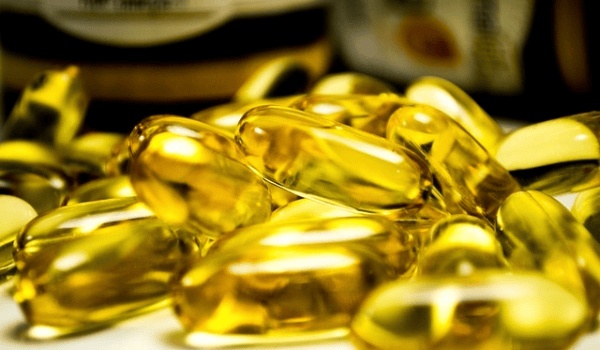
Mulberry leaves can be enjoyed in various forms. Fresh leaves can be steeped as tea, while dried leaves are often ground into powder for smoothies or capsules. Some cultures also use young mulberry leaves in salads or cooked dishes, though it’s essential to source them from pesticide-free environments. For convenience, mulberry leaf supplements are widely available, but consulting a healthcare provider before starting any new regimen is advisable.
With their versatility and science-backed benefits, mulberry leaves deserve a place in your wellness arsenal. Whether you’re seeking metabolic support, anti-inflammatory relief, or glowing skin, these humble leaves offer a natural solution worth exploring!
版权声明:本文内容由互联网用户自发贡献,该文观点仅代表作者本人。本站仅提供信息存储空间服务,不拥有所有权,不承担相关法律责任。如发现本站有涉嫌抄袭侵权/违法违规的内容, 请发送邮件至 972197909@qq.com 举报,一经查实,本站将立刻删除。如若转载,请注明出处:http://www.shenqiu123.com/tcm/2885.html