Understanding Bullae of the Lung
Bullae of the lung, also known as pulmonary bullae, are air-filled sacs that form within the lung tissue. These sacs can vary in size and often develop as a result of chronic obstructive pulmonary disease (COPD), emphysema, or other underlying lung conditions. While bullae themselves may not always cause symptoms, they can lead to complications such as pneumothorax, a condition where air leaks into the space between the lung and chest wall, causing the lung to collapse partially or completely.
Given the potential risks associated with bullae, many patients seek effective treatment options to manage their condition and prevent complications. Among these options, traditional Chinese medicine (TCM) has emerged as a popular alternative for those looking for holistic and natural approaches to health care.
The Role of Traditional Chinese Medicine in Treating Bullae
Traditional Chinese medicine offers a unique perspective on health and disease, emphasizing the balance of qi (vital energy), yin and yang, and the harmony of the body's internal organs. When it comes to treating bullae of the lung, TCM practitioners focus on identifying the underlying imbalances that contribute to the formation of these air sacs and aim to restore balance through a combination of herbal remedies, acupuncture, and lifestyle modifications.
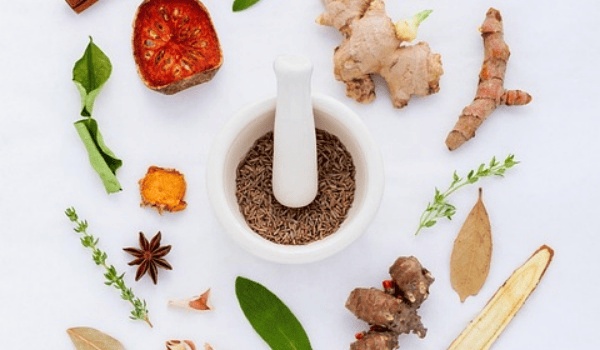
Herbal remedies play a central role in TCM treatment for bullae. Specific herbs are chosen based on their ability to strengthen the lungs, reduce inflammation, and promote the elimination of toxins from the body. These herbs are often combined into customized formulas tailored to the individual patient's needs and symptoms.
Acupuncture, another key component of TCM, involves the insertion of thin needles into specific points on the body to stimulate the flow of qi and promote healing. For patients with bullae, acupuncture can help improve lung function, reduce pain and discomfort, and enhance overall well-being.
Combining TCM with Conventional Treatments
While traditional Chinese medicine offers promising options for treating bullae of the lung, it's important to note that it should not replace conventional medical treatments such as surgery or medication in severe cases. Instead, TCM can be used as a complementary therapy to enhance the effectiveness of conventional treatments and improve the patient's quality of life.
If you're considering TCM as a treatment option for bullae, it's crucial to consult with a qualified TCM practitioner who can assess your condition and develop a personalized treatment plan. By combining the wisdom of traditional Chinese medicine with modern medical advancements, you can take a comprehensive approach to managing your lung health and preventing complications.
In conclusion, traditional Chinese medicine offers a holistic and natural approach to treating bullae of the lung. By addressing the underlying imbalances in the body and promoting healing through herbal remedies, acupuncture, and lifestyle modifications, TCM can help improve lung function and enhance overall well-being. Remember to consult with a qualified practitioner and consider combining TCM with conventional treatments for the best possible outcomes!
版权声明:本文内容由互联网用户自发贡献,该文观点仅代表作者本人。本站仅提供信息存储空间服务,不拥有所有权,不承担相关法律责任。如发现本站有涉嫌抄袭侵权/违法违规的内容, 请发送邮件至 972197909@qq.com 举报,一经查实,本站将立刻删除。如若转载,请注明出处:http://www.shenqiu123.com/healthyeating/3441.html