Understanding Spleen Deficiency and Its Symptoms
Spleen deficiency, a common condition in traditional Chinese medicine, refers to a weakened spleen that fails to perform its digestive and energy-producing functions effectively. This can lead to a range of symptoms, including fatigue, bloating, poor appetite, loose stools, and a pale complexion. While medical advice should always be sought for persistent or severe symptoms, incorporating specific foods into your diet can help alleviate mild spleen deficiency and promote overall digestive health.
Foods to Nourish Your Spleen
When it comes to supporting spleen health through diet, the focus should be on warm, easily digestible foods that are rich in nutrients and gentle on the digestive system. Here are some top picks:
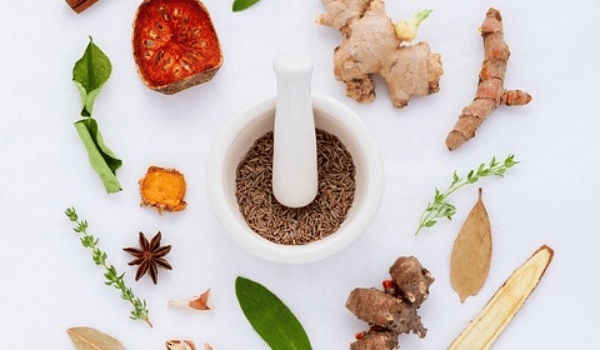
1. Ginger: Known for its warming properties, ginger can stimulate digestion and help relieve bloating and nausea. Try adding fresh ginger to your tea, soups, or stir-fries for a flavorful boost.
2. Sweet Potatoes: These root vegetables are packed with fiber, vitamins, and minerals that support spleen function. They are also easy to digest, making them an ideal choice for those with a weakened spleen.
3. Oats: Oats are a great source of soluble fiber, which helps regulate bowel movements and supports a healthy digestive system. Opt for whole oats or oatmeal for breakfast to start your day off right.

4. Chicken: Lean chicken meat is a good source of protein and is considered a neutral food in traditional Chinese medicine, making it suitable for those with spleen deficiency. Choose organic, free-range chicken for the best nutritional value.
5. Lentils: These legumes are rich in fiber, protein, and iron, all of which are essential for maintaining spleen health. Incorporate lentils into soups, stews, or salads for a nutritious meal.
Dietary Tips for Spleen Health
In addition to incorporating these foods into your diet, there are a few dietary tips to keep in mind for optimal spleen health. First, avoid cold and raw foods, as they can be hard on the digestive system and may exacerbate spleen deficiency symptoms. Instead, opt for cooked, warm foods that are easier to digest. Second, eat small, frequent meals throughout the day to avoid overloading your digestive system. Finally, stay hydrated by drinking plenty of water and herbal teas, which can help support digestion and overall health.
By making these simple dietary adjustments, you can help nourish your spleen and alleviate symptoms of spleen deficiency. Remember, a balanced diet and healthy lifestyle are key to maintaining overall well-being!
版权声明:本文内容由互联网用户自发贡献,该文观点仅代表作者本人。本站仅提供信息存储空间服务,不拥有所有权,不承担相关法律责任。如发现本站有涉嫌抄袭侵权/违法违规的内容, 请发送邮件至 972197909@qq.com 举报,一经查实,本站将立刻删除。如若转载,请注明出处:http://www.shenqiu123.com/sexual/2974.html