Understanding Swelling and Its Causes
Swelling, medically known as edema, is a common condition characterized by an accumulation of fluid in body tissues. It can occur in any part of the body but is most frequently observed in the legs, ankles, feet, and hands. Swelling can result from various factors, including injuries, infections, allergies, and underlying medical conditions such as heart failure or kidney disease. Identifying the root cause is crucial for selecting the most appropriate treatment method.
Over-the-Counter Options for Quick Relief
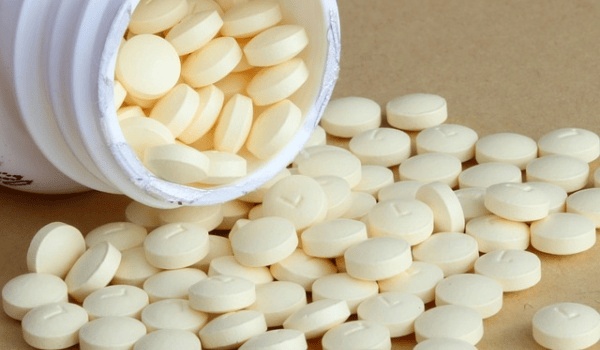
When seeking immediate relief from swelling, over-the-counter (OTC) medications can be highly effective. Nonsteroidal anti-inflammatory drugs (NSAIDs) like ibuprofen and naproxen are popular choices. These medications not only reduce inflammation but also alleviate pain associated with swelling. For mild to moderate swelling, applying a cold compress alongside OTC NSAIDs can enhance their effectiveness by constricting blood vessels and reducing fluid buildup.
Another OTC option is antihistamines, particularly useful when swelling is caused by allergic reactions. These drugs work by blocking histamine, a substance in the body that triggers allergic symptoms, including swelling. However, it's essential to follow the recommended dosage and consult a healthcare provider if symptoms persist or worsen.
Prescription Medications for Severe Cases
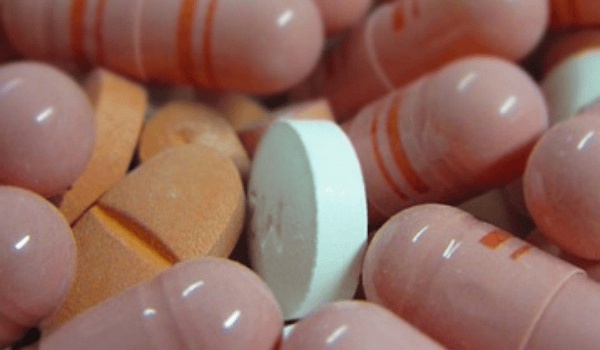
In cases of severe or chronic swelling, prescription medications may be necessary. Corticosteroids, for instance, are potent anti-inflammatory drugs that can significantly reduce swelling when taken as directed by a doctor. These medications are often used for conditions like rheumatoid arthritis or lupus, where inflammation plays a central role.
Diuretics, also known as water pills, are another class of prescription drugs that help eliminate excess fluid from the body through urine. They are commonly prescribed for conditions like heart failure or liver disease, where fluid retention is a significant concern. However, diuretics should be used with caution and under medical supervision, as they can affect electrolyte balance and blood pressure.
Natural Remedies and Lifestyle Changes
In addition to medications, several natural remedies and lifestyle changes can aid in reducing swelling. Elevating the affected limb above heart level can promote fluid drainage and alleviate swelling. Regular exercise, particularly activities that improve circulation, can also be beneficial. Moreover, maintaining a healthy diet low in sodium and rich in potassium can help prevent fluid retention.
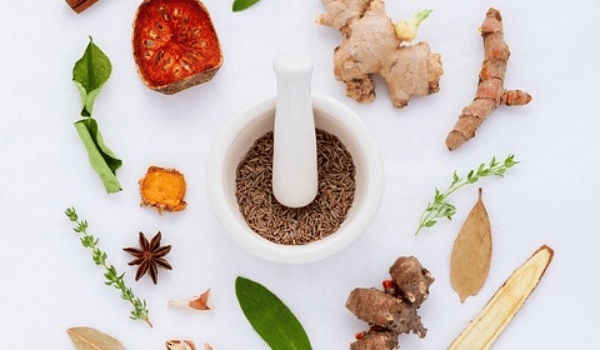
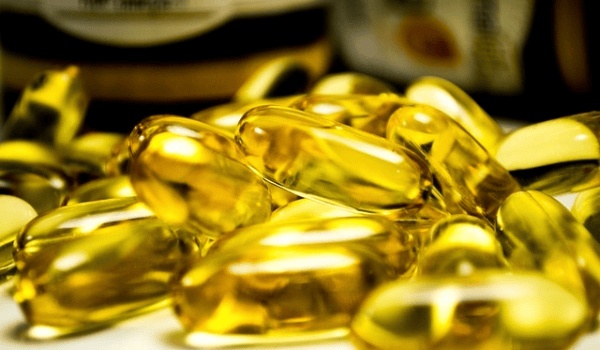
Herbal remedies like ginger and turmeric have anti-inflammatory properties and can be incorporated into meals or taken as supplements. However, it's crucial to consult a healthcare provider before starting any new supplement regimen, especially if you have underlying medical conditions or are taking other medications.
Ultimately, the fastest and most effective medication for reducing swelling depends on the underlying cause and severity of the condition. By combining appropriate medications with natural remedies and lifestyle adjustments, individuals can achieve optimal results and improve their overall quality of life!
版权声明:本文内容由互联网用户自发贡献,该文观点仅代表作者本人。本站仅提供信息存储空间服务,不拥有所有权,不承担相关法律责任。如发现本站有涉嫌抄袭侵权/违法违规的内容, 请发送邮件至 972197909@qq.com 举报,一经查实,本站将立刻删除。如若转载,请注明出处:http://www.shenqiu123.com/sexual/2045.html