Understanding Dampness During Breastfeeding
Breastfeeding is a beautiful yet challenging phase for many mothers, as their bodies undergo significant changes to nourish their newborns. One common issue that can arise during this period is the accumulation of dampness in the body, a concept rooted in traditional Chinese medicine (TCM). Dampness refers to an imbalance in the body's energy and fluid levels, leading to a range of uncomfortable symptoms. Recognizing these signs early can help mothers take proactive steps to manage them effectively.
Common Signs of Dampness in Breastfeeding Mothers
Persistent Fatigue: One of the most noticeable signs of dampness is a feeling of constant tiredness, even after getting adequate rest. This fatigue can be debilitating, making it difficult for mothers to keep up with their daily routines and care for their babies.
Heavy Limbs: Dampness can cause a sensation of heaviness in the arms and legs, making movement feel sluggish and laborious. This can be particularly challenging for breastfeeding mothers who need to hold their babies for extended periods.

Bloating and Digestive Issues: Dampness often affects the digestive system, leading to bloating, gas, and even constipation. These symptoms can be uncomfortable and may interfere with a mother's ability to eat a balanced diet, which is crucial for milk production.
Skin Problems: Dampness can manifest on the skin as rashes, itching, or a greasy feeling. These skin issues can be bothersome and may require special care to prevent infection or further irritation.
Mood Swings: The hormonal changes that occur during breastfeeding, combined with the physical discomfort of dampness, can lead to mood swings and irritability. This can affect a mother's overall well-being and her relationship with her baby and family.
Managing Dampness During Breastfeeding
To alleviate the symptoms of dampness, breastfeeding mothers can adopt several strategies. Firstly, maintaining a balanced diet rich in fruits, vegetables, and lean proteins can help regulate the body's fluid levels and energy. Avoiding greasy, spicy, and processed foods is also recommended, as these can exacerbate dampness symptoms.

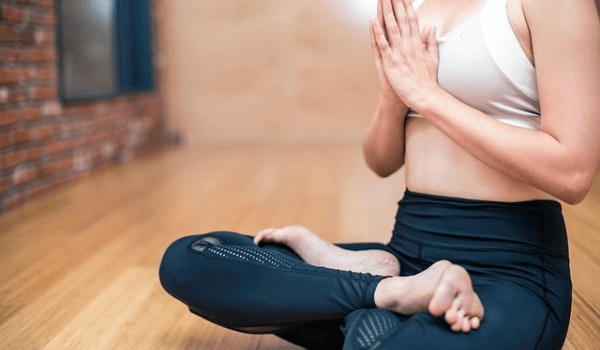
Regular exercise, such as gentle yoga or walking, can promote circulation and help eliminate excess dampness from the body. Additionally, staying hydrated by drinking plenty of water and herbal teas can support the body's natural detoxification processes.
Finally, seeking guidance from a healthcare professional or a TCM practitioner can provide personalized advice and treatment options tailored to a mother's specific needs. By taking proactive steps to manage dampness, breastfeeding mothers can enjoy a more comfortable and fulfilling postpartum experience!
版权声明:本文内容由互联网用户自发贡献,该文观点仅代表作者本人。本站仅提供信息存储空间服务,不拥有所有权,不承担相关法律责任。如发现本站有涉嫌抄袭侵权/违法违规的内容, 请发送邮件至 972197909@qq.com 举报,一经查实,本站将立刻删除。如若转载,请注明出处:http://www.shenqiu123.com/sexual/2566.html