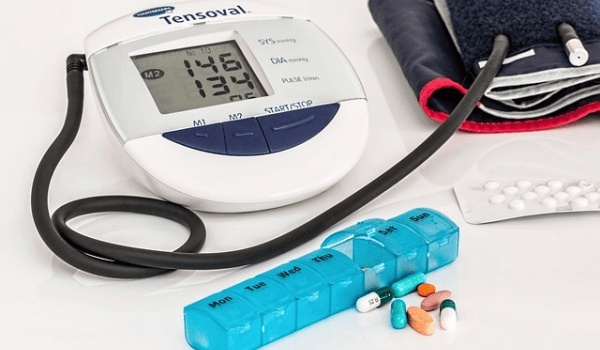
Understanding the Importance of Urine Protein Testing
Urine protein testing is a simple yet crucial procedure for monitoring kidney health and detecting potential issues early on. Protein in urine, also known as proteinuria, can be an indicator of kidney damage or other underlying health conditions. Regular testing can help you stay informed about your kidney function and take proactive steps to maintain your overall well-being. In this guide, we'll walk you through the process of using urine test strips to detect protein in your urine effectively.
Gathering Your Supplies
Before you begin, ensure you have all the necessary supplies on hand. You'll need a package of urine test strips specifically designed to detect protein, a clean container for collecting your urine sample, and a timer or stopwatch. It's essential to use fresh test strips that haven't expired to ensure accurate results. Additionally, make sure your hands are clean and dry before handling the test strips to avoid contamination.
Collecting Your Urine Sample
Start by collecting a midstream urine sample in a clean container. This means you should begin urinating into the toilet, then pause and collect the urine in the container before finishing urination. This helps reduce the risk of contamination from bacteria or other substances present at the beginning or end of your urine stream. Once you've collected your sample, secure the lid on the container to prevent spills.
Performing the Test
Next, remove a test strip from its packaging and hold it by the end opposite the colored pads. Dip the strip into your urine sample for the specified amount of time, usually a few seconds, as indicated in the instructions. Be sure to follow the instructions carefully, as different test strips may have slightly different procedures. After removing the strip from the urine, shake off any excess liquid and place it on a clean, flat surface to begin timing.

Interpreting the Results
As the timer counts down, observe the colored pads on the test strip. They will change color based on the amount of protein present in your urine. Compare the colors to the chart provided with your test strips to determine the level of protein in your sample. If the results indicate a high level of protein, it's important to consult with your healthcare provider for further evaluation and guidance. Remember, early detection and intervention can make a significant difference in managing kidney health.
By following these simple steps, you can effectively use urine test strips to detect protein in your urine and stay informed about your kidney health. Regular testing, combined with a healthy lifestyle and regular check-ups with your healthcare provider, can help you maintain optimal well-being for years to come!
版权声明:本文内容由互联网用户自发贡献,该文观点仅代表作者本人。本站仅提供信息存储空间服务,不拥有所有权,不承担相关法律责任。如发现本站有涉嫌抄袭侵权/违法违规的内容, 请发送邮件至 972197909@qq.com 举报,一经查实,本站将立刻删除。如若转载,请注明出处:http://www.shenqiu123.com/healthyeating/459.html