The Pumpkin-Blood Sugar Connection: Separating Fact from Fiction
Pumpkin season brings golden hues to grocery stores and festive tables, but its reputation as a "blood sugar-friendly" food has sparked debate. While this winter squash contains beneficial nutrients, the relationship between pumpkin consumption and blood glucose control isn't straightforward. Let's explore three critical factors everyone managing blood sugar should understand before adding pumpkin to their daily diet.
1. The Glycemic Index Paradox
Raw pumpkin has a relatively low glycemic index (GI) of around 75, placing it in the medium range. However, this value changes dramatically when prepared differently. Pumpkin puree often used in soups and pies spikes to a high GI of 85 due to concentrated sugars and reduced fiber content during processing. Even fresh pumpkin cooked without added sweeteners can cause unexpected blood sugar rises when consumed in large portions.
For comparison, a 100g serving of raw pumpkin contains about 6g carbohydrates, while the same amount of canned pumpkin puree may contain double that amount. This carbohydrate density becomes particularly problematic for individuals with insulin resistance or diabetes who need precise carbohydrate counting.
2. Nutrient Profile Double-Edged Sword
Pumpkin's bright orange color signals its rich beta-carotene content - a powerful antioxidant that converts to vitamin A. It also provides vitamin C, potassium, and fiber. These nutrients support immune function and heart health, but the fiber content varies greatly depending on preparation. Whole pumpkin flesh contains about 0.5g fiber per 100g, while pumpkin seeds offer an impressive 6g per ounce.
The key lies in consumption method. Roasted pumpkin seeds make an excellent snack for blood sugar management, while sweetened pumpkin desserts or lattes can negate all health benefits. Always check nutrition labels for added sugars - some commercial pumpkin products contain more sweeteners than actual pumpkin.
3. Portion Control: The Missing Link
Even healthy foods require moderation when managing blood sugar. A small 1/2 cup serving of cooked pumpkin contains about 10g carbohydrates - manageable for most people. However, typical restaurant servings or holiday portions often triple this amount, delivering 30g+ carbohydrates in one sitting.
Pairing pumpkin with protein and healthy fats helps slow sugar absorption. Try combining roasted pumpkin cubes with walnuts and feta cheese, or adding pumpkin seeds to Greek yogurt. These combinations create balanced meals that prevent blood sugar spikes better than consuming pumpkin alone.
Smart Pumpkin Consumption Strategies
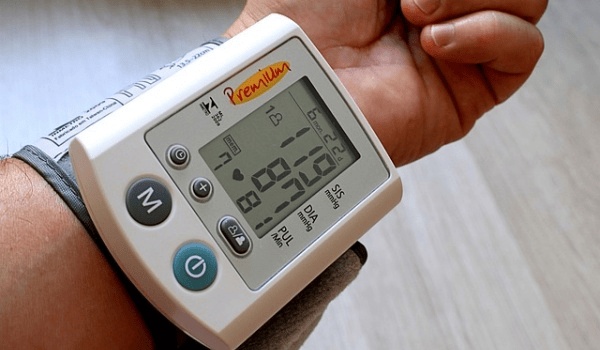
For optimal blood sugar control, prioritize whole, fresh pumpkin over processed varieties. When using canned products, choose unsweetened options and rinse to remove excess sodium. Incorporate pumpkin into meals gradually, monitoring your blood glucose response with a meter if possible. Remember that individual responses vary - what works for one person may not work for another.
Ultimately, pumpkin can fit into a blood sugar-friendly diet when consumed mindfully. By understanding these three key factors and making informed choices about preparation and portion sizes, you can enjoy this seasonal favorite without compromising your health goals!
版权声明:本文内容由互联网用户自发贡献,该文观点仅代表作者本人。本站仅提供信息存储空间服务,不拥有所有权,不承担相关法律责任。如发现本站有涉嫌抄袭侵权/违法违规的内容, 请发送邮件至 972197909@qq.com 举报,一经查实,本站将立刻删除。如若转载,请注明出处:http://www.shenqiu123.com/healthyeating/2741.html