When the summer sun climbs high, many seniors notice their pulse quickening like a drumbeat beneath the skin—a physiological response to rising environmental heat that modern medicine attributes to sympathetic nervous system activation, while Traditional Chinese Medicine interprets as "heart fire rising." This dual-energy imbalance manifests as flushed cheeks, restless sleep, and a tongue tip so red it resembles a ripe strawberry. Western cardiology warns of increased cardiac workload during travel, while TCM emphasizes how "yin deficiency" fails to anchor the restless yang energy, creating a perfect storm for vascular spasms. The solution lies in harmonizing these forces: sip chrysanthemum tea with goji berries to nourish yin while wearing breathable cotton to regulate skin microcirculation.
Modern travel often disrupts circadian rhythms, triggering what endocrinologists call "jet lag disorder" and TCM practitioners recognize as "meridian clock disorder." Imagine your body's internal clock as an orchestral conductor—when travel crosses time zones, the melody turns discordant. This manifests as irregular bowel movements (yang qi failing to descend), morning fatigue (yin qi stagnation), and emotional irritability (liver qi counterflow). Combat this by exposing yourself to natural sunlight within 30 minutes of waking at your destination, while massaging the Pericardium 8 acupoint (located in the palm crease) to calm heart fire. Packing blackout curtains for hotel rooms helps regulate melatonin secretion, while carrying a small vial of lavender essential oil supports parasympathetic nervous system activation through olfactory pathways.
The digestive system faces particular challenges during travel. Modern research attributes this to microbiome disruption from dietary changes, while TCM focuses on "spleen qi deficiency" from irregular eating patterns. Picture your gut as a fermentation vat—sudden shifts in food types and meal times create metabolic chaos. Seniors often describe this as "food sitting heavy in the stomach," accompanied by belching and fatigue. The remedy involves both disciplines: carry probiotic supplements to maintain gut flora balance, while sipping ginger-date tea between meals to strengthen spleen transport function. Avoid cold beverages that constrict blood vessels in the digestive tract, opting instead for warm water infused with orange peel to promote qi circulation.

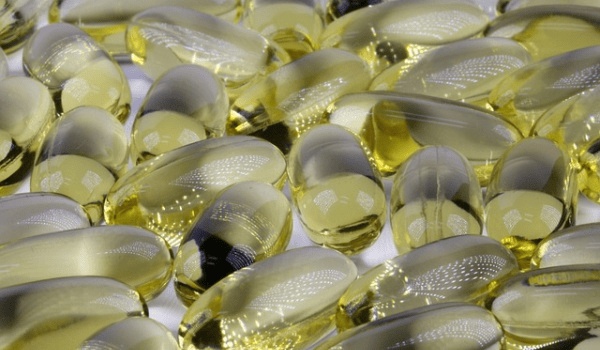
Cardiovascular protection demands special attention during travel. Elevated oxidative stress from airplane cabins (equivalent to smoking 1-2 cigarettes per flight hour) combines with TCM's concept of "blood stasis" to create perfect conditions for clot formation. Seniors may notice calf tightness or a heavy sensation in the chest—warning signs that demand immediate attention. Prevention strategies include wearing graduated compression socks to enhance venous return, while practicing the "Eight Brocades" qigong routine to stimulate acupoints like Stomach 36 (Zusanli) that boost qi and blood flow. Modern nutrition supports this with omega-3 supplements to reduce inflammation, while TCM recommends hawthorn berry decoctions to dissolve phlegm-stasis in the vessels.
版权声明:本文内容由互联网用户自发贡献,该文观点仅代表作者本人。本站仅提供信息存储空间服务,不拥有所有权,不承担相关法律责任。如发现本站有涉嫌抄袭侵权/违法违规的内容, 请发送邮件至 972197909@qq.com 举报,一经查实,本站将立刻删除。如若转载,请注明出处:http://www.shenqiu123.com/encyclopedia/1750.html