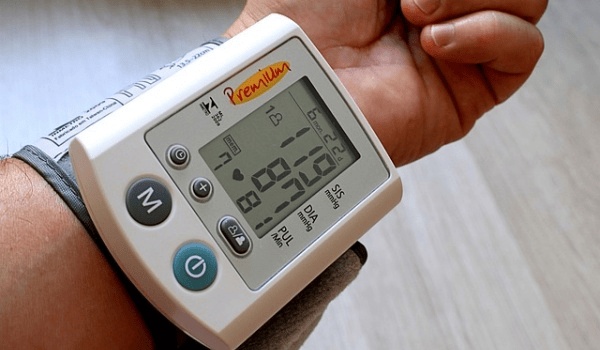
The body’s vascular network is a living river—its rhythm shaped by both the heart’s fiery vigor and the kidneys’ watery calm. When blood pressure rises, it’s rarely a mere numerical quirk. From a TCM perspective, this often signals "heart fire flaring" (心火亢盛), disrupting the yin-yang balance between heart and kidneys. Modern cardiology reveals a parallel story: sustained hypertension forces the heart to pump against increased resistance, straining the autonomic nervous system and accelerating vascular aging through oxidative stress. Patients may describe a "pounding pulse" at night, restless sleep, or a dry mouth upon waking—all subtle signs of internal heat consuming bodily fluids.
The interplay between traditional and modern wisdom becomes clearer when examining circadian rhythms. TCM emphasizes "following the sun’s path" to nourish yang in the morning and preserve yin after dusk. Western medicine confirms that blood pressure naturally dips during sleep—a phenomenon disrupted in 40% of hypertensive patients due to sympathetic nervous system overactivation. This "non-dipping" pattern doubles the risk of silent organ damage. Practical solutions emerge at this crossroads: sipping chrysanthemum tea with goji berries after sunset cools heart fire while supporting vascular elasticity, while morning sun exposure (before 9 AM) helps reset the biological clock and regulate cortisol levels. For those experiencing palpitations or flushed cheeks post-meal, combining hawthorn berries with magnesium-rich foods like pumpkin seeds addresses both qi stagnation and endothelial dysfunction.
版权声明:本文内容由互联网用户自发贡献,该文观点仅代表作者本人。本站仅提供信息存储空间服务,不拥有所有权,不承担相关法律责任。如发现本站有涉嫌抄袭侵权/违法违规的内容, 请发送邮件至 972197909@qq.com 举报,一经查实,本站将立刻删除。如若转载,请注明出处:http://www.shenqiu123.com/encyclopedia/1264.html