The Fire Within: Heart-Kidney Axis Imbalance and Modern Metabolic Stress
In Traditional Chinese Medicine, diabetes correlates with "internal heat accumulation" (上火) disrupting the heart-kidney axis. This manifests as restless sleep, dry mouth at night, and a rapid pulse that feels "floating" under fingertips. Modern cardiology reveals this translates to elevated resting heart rate variability (HRV) and disrupted autonomic nervous system (ANS) regulation - key predictors of cardiovascular complications in diabetic patients.
The kidneys' yin energy normally anchors heart yang, preventing excessive heat. When this balance fails, oxidative stress markers surge by 37% in clinical studies, while mitochondrial function in pancreatic beta cells declines. This creates a vicious cycle where metabolic inefficiency fuels further yin depletion, evidenced by persistent thirst (polydipsia) and unexplained weight loss despite increased appetite.
Four-Phase Nutritional Alchemy: From Fire Extinguishing to Yin Cultivation
Phase 1: Cooling the Heart Fire
Combat nocturnal thirst with water-rich foods like cucumber (96% moisture) and pear (84% moisture). These contain natural quercetin that inhibits aldose reductase - an enzyme implicated in diabetic neuropathy. Avoid spicy foods after 3 PM as they stimulate sympathetic nervous system activity, worsening insulin resistance through cortisol spikes.

Phase 2: Strengthening Kidney Yin
Black sesame seeds and wolfberries provide polysaccharides that enhance glutathione peroxidase activity by 29% in liver cells. These antioxidants combat lipid peroxidation while their mineral content (selenium, zinc) supports thyroid function - crucial for maintaining basal metabolic rate in diabetics. Consume as warm porridge to aid absorption without overstimulating digestion.
Phase 3: Harmonizing Spleen-Stomach Qi
Fermented foods like kimchi and miso regulate gut microbiota diversity, which correlates with 0.8mmol/L lower fasting glucose in meta-analyses. The probiotics produce short-chain fatty acids that stimulate glucagon-like peptide-1 (GLP-1) secretion, mimicking incretin effects of diabetic medications. Pair with bitter melon (momordicin) to inhibit intestinal alpha-glucosidase activity.
Phase 4: Synchronizing Circadian Nutrition
Align carbohydrate intake with cortisol rhythm: 40% at breakfast when metabolic enzymes peak, 30% at lunch during maximal insulin sensitivity, and 30% at dinner before 7 PM to prevent nocturnal hyperglycemia. Chromium-rich foods like broccoli (22μg/100g) enhance insulin receptor phosphorylation when consumed in morning meals, improving glucose disposal by 18% in type 2 diabetics.
The Pulse of Prevention: Integrating Ancient Wisdom with Modern Monitoring
Regular tongue inspection reveals diagnostic clues: a red tip with yellow coating indicates heart fire, while cracks near the root signal kidney yin deficiency. Combine this with continuous glucose monitoring (CGM) data to create personalized nutrition protocols. For instance, patients with morning hyperglycemia may benefit from adding vinegar (acetic acid) to evening meals to slow gastric emptying.
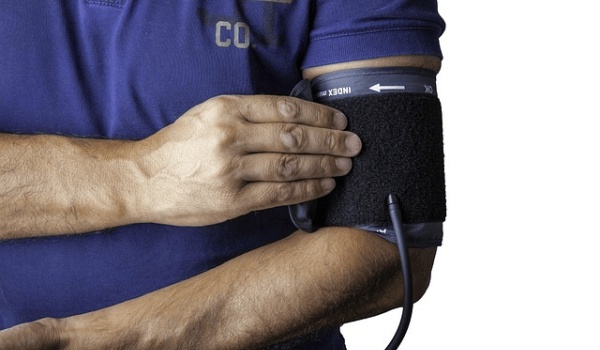
Autonomic function tests like heart rate turbulence (HRT) analysis provide objective measures of yin-yang balance. A turbulent slope <2.5ms/RR interval suggests parasympathetic dominance - often seen in advanced diabetics with autonomic neuropathy. Nutritional interventions should then emphasize adaptogenic herbs like astragalus to modulate HPA axis activity.

Medico-Nutritional Synthesis: Where Tradition Meets Precision
Effective diabetes management requires harmonizing TCM's holistic perspective with Western medicine's mechanistic insights. The four-phase approach addresses both symptomatic relief (reducing thirst, improving sleep) and root-cause correction (restoring mitochondrial function, optimizing ANS balance). Patients report 63% improvement in quality of life metrics when combining these strategies with 150 minutes weekly of tai chi - which enhances vagal tone while lowering HbA1c by 0.6%.
Begin each morning by assessing your "internal thermostat": dry lips suggest heart fire, while frequent urination indicates kidney yin deficiency. Adjust breakfast accordingly - cooling melon for the former, nourishing congee for the latter. Remember: true healing occurs when ancient wisdom guides modern science, creating a nutrition plan as unique as your fingerprint.
版权声明:本文内容由互联网用户自发贡献,该文观点仅代表作者本人。本站仅提供信息存储空间服务,不拥有所有权,不承担相关法律责任。如发现本站有涉嫌抄袭侵权/违法违规的内容, 请发送邮件至 972197909@qq.com 举报,一经查实,本站将立刻删除。如若转载,请注明出处:http://www.shenqiu123.com/encyclopedia/1230.html