Understanding the Causes of Leg Cramps During Marathons
Leg cramps are a common challenge for marathon runners, often striking unexpectedly during long-distance events. These sudden muscle contractions typically occur in the calves, hamstrings, or quadriceps, causing intense pain that can disrupt your rhythm. The primary culprits include dehydration, electrolyte imbalances, muscle fatigue, and inadequate warm-up routines. Understanding these triggers is the first step toward prevention and effective management during your race.
When muscles work intensely for extended periods, they deplete glycogen stores and accumulate lactic acid. Without proper hydration and nutrient replenishment, this creates an environment prone to cramping. Additionally, sudden changes in running intensity or terrain can overwhelm muscle fibers, leading to involuntary contractions. Recognizing these patterns helps runners implement targeted strategies to minimize risks.
Proactive Prevention Strategies
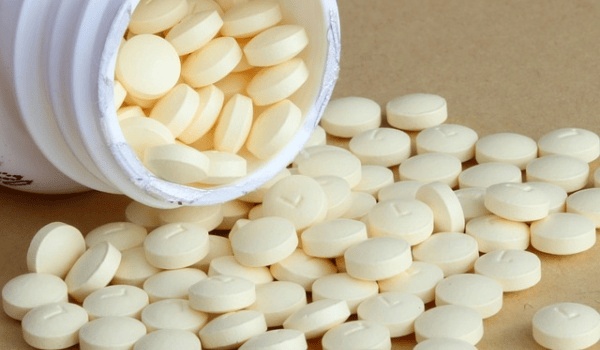
Hydration forms the cornerstone of cramp prevention. Aim to consume 500-750ml of water or electrolyte-enhanced fluids 2-3 hours before running, followed by 150-300ml every 20 minutes during the race. Electrolyte tablets dissolved in water provide an efficient way to maintain sodium, potassium, and magnesium levels—key minerals that regulate muscle function. For 2026 marathon seasons, consider using smart water bottles with built-in reminders to stay on schedule.
Nutrition plays an equally vital role. Consume complex carbohydrates 3-4 hours pre-race to fuel muscles, and incorporate bananas or coconut water for natural potassium boosts. During training, practice your race-day nutrition plan to identify foods that sit well with your stomach. Strength training exercises targeting calf raises, lunges, and deadlifts build muscle endurance, while dynamic stretching routines improve flexibility and reduce stiffness.
Immediate Relief Techniques During Races
If cramps strike mid-marathon, stop running immediately and find a safe spot to stretch. For calf cramps, gently lean forward while keeping your heel on the ground. Hamstring cramps respond well to straight-leg toe touches, while quadriceps cramps require pulling your foot toward your buttocks. Hold each stretch for 20-30 seconds without bouncing, breathing deeply to promote relaxation.
Massaging the affected area with circular motions helps increase blood flow and accelerate recovery. Applying heat through warm towels or disposable heat packs can further relax tight muscles. If pain persists, consume a quick-absorbing electrolyte gel or chewable tablet. Many 2026 marathon organizers now provide medical stations stocked with these supplies along the course.
Post-Race Recovery Essentials
After crossing the finish line, prioritize rehydration with electrolyte-rich fluids and consume a balanced meal containing protein and carbohydrates within 30 minutes. Light walking or swimming the following day promotes circulation without straining muscles. Foam rolling sessions targeting major leg muscle groups help break down lactic acid buildup and prevent stiffness.

Monitor your urine color as a hydration indicator—pale yellow suggests adequate fluid intake. If cramps recur during daily activities, consult a sports physician to rule out underlying conditions like mineral deficiencies or nerve compression. With consistent prevention strategies and proper recovery protocols, you can enjoy pain-free marathon experiences for years to come!
版权声明:本文内容由互联网用户自发贡献,该文观点仅代表作者本人。本站仅提供信息存储空间服务,不拥有所有权,不承担相关法律责任。如发现本站有涉嫌抄袭侵权/违法违规的内容, 请发送邮件至 972197909@qq.com 举报,一经查实,本站将立刻删除。如若转载,请注明出处:http://www.shenqiu123.com/encyclopedia/371.html