Understanding Allergic Rhinitis and Its Impact
Allergic rhinitis, commonly known as hay fever, is a prevalent condition affecting millions worldwide. Characterized by symptoms such as sneezing, a runny nose, itchy eyes, and congestion, it can significantly disrupt daily life, especially during peak allergy seasons. While conventional treatments often involve antihistamines and nasal sprays, many individuals seek alternative remedies to manage their symptoms more naturally and holistically.
Traditional Chinese Medicine (TCM) offers a unique perspective on allergic rhinitis, viewing it as an imbalance within the body's energy pathways, or meridians. By addressing the root cause rather than just the symptoms, TCM aims to restore harmony and alleviate discomfort without the side effects commonly associated with Western medications.
Key TCM Strategies for Allergic Rhinitis Relief
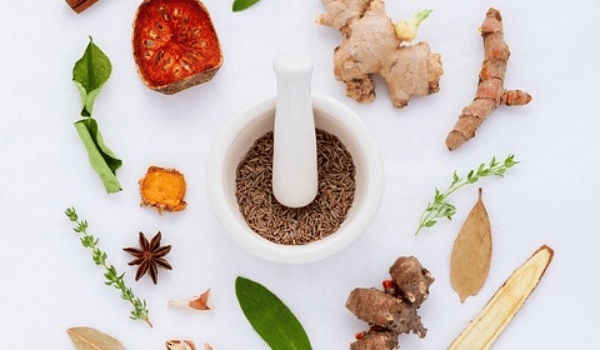
Herbal Remedies: TCM practitioners often prescribe a combination of herbs tailored to an individual's specific symptoms and constitution. Common herbs used for allergic rhinitis include astragalus (Huang Qi), which boosts the immune system, and magnolia flower (Xin Yi Hua), known for its decongestant properties. These herbs work synergistically to reduce inflammation, clear nasal passages, and strengthen the body's defenses against allergens.

Acupuncture: This ancient practice involves inserting thin needles into specific points on the body to stimulate energy flow and promote healing. For allergic rhinitis, acupuncture can help relieve congestion, reduce inflammation, and improve overall respiratory function. Regular sessions may lead to long-term relief and a decreased reliance on medication.
Dietary Adjustments: TCM emphasizes the importance of a balanced diet in maintaining health and preventing disease. For those with allergic rhinitis, avoiding foods that trigger inflammation, such as dairy, sugar, and processed foods, is crucial. Instead, incorporating warming foods like ginger, garlic, and green tea can help soothe the respiratory system and boost immunity.

Integrating TCM into Your Daily Routine
Incorporating TCM practices into your daily life doesn't have to be complicated. Start by consulting a qualified TCM practitioner to develop a personalized treatment plan based on your unique needs and symptoms. This may include a combination of herbal remedies, acupuncture sessions, and dietary recommendations.
Additionally, practicing mindfulness techniques such as meditation or deep breathing exercises can help reduce stress, which is known to exacerbate allergic reactions. By taking a holistic approach to your health, you can empower yourself to manage allergic rhinitis more effectively and enjoy a better quality of life.

In conclusion, Traditional Chinese Medicine offers a natural and effective way to alleviate the symptoms of allergic rhinitis. By addressing the underlying imbalances in the body and promoting overall wellness, TCM can provide long-lasting relief without the need for harsh medications. If you're struggling with allergic rhinitis, consider exploring the benefits of TCM today!
版权声明:本文内容由互联网用户自发贡献,该文观点仅代表作者本人。本站仅提供信息存储空间服务,不拥有所有权,不承担相关法律责任。如发现本站有涉嫌抄袭侵权/违法违规的内容, 请发送邮件至 972197909@qq.com 举报,一经查实,本站将立刻删除。如若转载,请注明出处:http://www.shenqiu123.com/tcm/3259.html