Understanding Styes and Their Impact
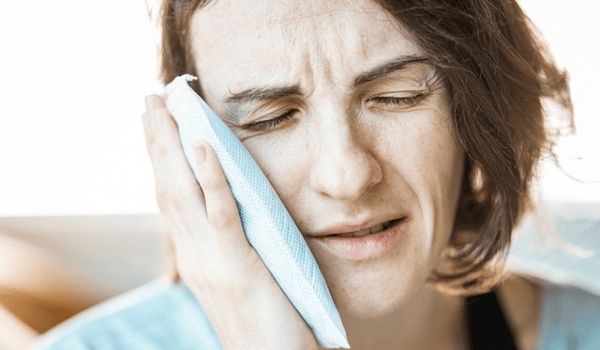
A stye, medically known as a hordeolum, is a small, painful lump that forms on the eyelid. It occurs when an oil gland or hair follicle on the eyelid becomes infected, typically with bacteria such as Staphylococcus aureus. Styes can cause discomfort, redness, and swelling, making daily activities like reading or driving challenging. While they often resolve on their own, many people seek natural and holistic remedies to speed up the healing process and alleviate symptoms. Traditional Chinese Medicine (TCM) offers several effective approaches to treating styes, focusing on balancing the body's internal energies and promoting overall wellness.
Herbal Remedies for Styes in TCM
One of the cornerstones of TCM is the use of herbal remedies to address various health conditions, including styes. Herbs like Chrysanthemum flowers (Ju Hua) and Honeysuckle (Jin Yin Hua) are commonly prescribed for their anti-inflammatory and antibacterial properties. These herbs can be brewed into a tea or applied topically as a compress to reduce swelling and fight infection. Additionally, TCM practitioners may recommend specific herbal formulas tailored to an individual's constitution and the severity of their stye, ensuring a personalized and effective treatment plan.
Another popular herb in TCM for eye-related issues is Gentiana (Long Dan Cao). Known for its ability to clear heat and detoxify the body, Gentiana can help alleviate the redness and pain associated with styes. It's often included in herbal blends designed to target eye infections and promote ocular health.
Acupuncture and Acupressure for Stye Relief
Acupuncture and acupressure are ancient TCM techniques that involve stimulating specific points on the body to promote healing and balance. For styes, acupuncturists may target points around the eyes and face to reduce inflammation and improve circulation. Acupressure, a non-invasive alternative, can be performed at home by gently massaging pressure points like the inner corner of the eyes or the temples. These practices not only help relieve stye symptoms but also contribute to overall relaxation and stress reduction, which can be beneficial for immune function.
Lifestyle and Dietary Adjustments for Prevention
In TCM, prevention is just as important as treatment. To reduce the risk of developing styes, it's essential to maintain a balanced lifestyle and diet. Eating a variety of fresh fruits and vegetables, staying hydrated, and avoiding excessive consumption of spicy or greasy foods can help keep the body's internal environment in harmony. Additionally, practicing good eye hygiene, such as regularly cleaning the eyelids and avoiding touching the eyes with dirty hands, can prevent bacterial infections that lead to styes.
By incorporating these TCM principles into your daily routine, you can not only treat existing styes but also promote long-term eye health and overall well-being. Remember, while TCM offers valuable tools for managing styes, it's always important to consult with a qualified healthcare professional for personalized advice and treatment.
!版权声明:本文内容由互联网用户自发贡献,该文观点仅代表作者本人。本站仅提供信息存储空间服务,不拥有所有权,不承担相关法律责任。如发现本站有涉嫌抄袭侵权/违法违规的内容, 请发送邮件至 972197909@qq.com 举报,一经查实,本站将立刻删除。如若转载,请注明出处:http://www.shenqiu123.com/tcm/3211.html