What Is Phlegm-Dampness in Traditional Chinese Medicine?
Phlegm-dampness, a concept deeply rooted in traditional Chinese medicine (TCM), refers to a pathological state characterized by an imbalance in the body's internal environment. This condition arises when the body's ability to metabolize fluids is compromised, leading to the accumulation of dampness and phlegm. Unlike the Western medical perspective, which often focuses on specific symptoms or diseases, TCM views phlegm-dampness as a holistic issue affecting multiple systems within the body.
In TCM theory, the spleen plays a crucial role in transforming and transporting nutrients and fluids throughout the body. When the spleen's function is impaired, it can result in the formation of dampness, which, if left untreated, can progress into phlegm. This phlegm-dampness can then manifest in various ways, affecting not only physical health but also mental and emotional well-being.
Common Symptoms of Phlegm-Dampness
Recognizing the symptoms of phlegm-dampness is essential for early intervention and treatment. Individuals with this condition may experience a range of symptoms, including persistent cough with thick, sticky phlegm, a feeling of heaviness or fullness in the chest and abdomen, and a lack of energy or fatigue. Other signs include a coated tongue, a dull complexion, and a tendency to gain weight easily, especially around the abdomen.
Moreover, phlegm-dampness can also affect mental clarity, leading to difficulties in concentration, memory problems, and a general sense of foggy-headedness. Emotionally, individuals may feel sluggish, unmotivated, or even depressed, as the dampness can weigh down the spirit and hinder emotional expression.

Natural Remedies and Lifestyle Adjustments
Addressing phlegm-dampness requires a multifaceted approach that combines dietary modifications, herbal remedies, and lifestyle adjustments. From a dietary perspective, it's advisable to avoid foods that contribute to dampness, such as dairy products, sugary snacks, and greasy or fried foods. Instead, focus on incorporating foods that help to dispel dampness and nourish the spleen, such as ginger, garlic, onions, and warm, cooked vegetables.
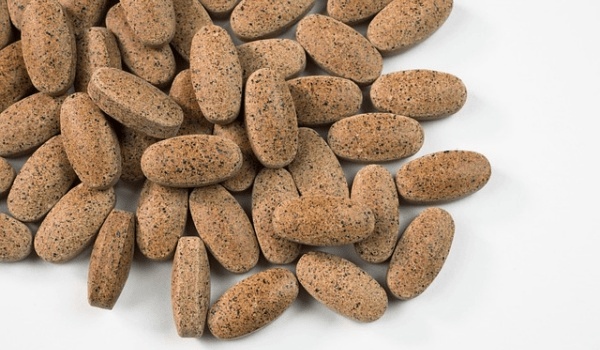
Herbal remedies can also play a significant role in treating phlegm-dampness. TCM practitioners may prescribe formulas containing herbs like pinellia tuber, poria cocos, and citrus aurantium, which have been traditionally used to transform phlegm and resolve dampness. Additionally, engaging in regular physical activity, practicing deep breathing exercises, and maintaining a balanced emotional state can all contribute to a healthier internal environment and help prevent the recurrence of phlegm-dampness.

By understanding the causes, symptoms, and natural remedies for phlegm-dampness, individuals can take proactive steps to improve their overall health and well-being. Remember, a holistic approach that addresses both the physical and emotional aspects of health is key to achieving lasting balance and harmony within the body!
版权声明:本文内容由互联网用户自发贡献,该文观点仅代表作者本人。本站仅提供信息存储空间服务,不拥有所有权,不承担相关法律责任。如发现本站有涉嫌抄袭侵权/违法违规的内容, 请发送邮件至 972197909@qq.com 举报,一经查实,本站将立刻删除。如若转载,请注明出处:http://www.shenqiu123.com/tcm/3171.html