Understanding Benign Prostatic Hyperplasia (BPH)
Benign Prostatic Hyperplasia, commonly known as BPH, is a prevalent condition among aging men. It involves the enlargement of the prostate gland, which can lead to various urinary symptoms such as frequent urination, difficulty starting or stopping urination, and a weak urine stream. While conventional treatments like medications and surgery are available, many individuals seek alternative approaches, including Traditional Chinese Medicine (TCM), for a more holistic and natural solution.
The Principles of TCM in Treating BPH
TCM views BPH as a result of imbalances in the body's energy flow, or Qi, and the accumulation of dampness and heat in the lower abdomen. The primary goal of TCM treatment is to restore balance and harmony within the body, thereby alleviating symptoms and promoting overall health. This is achieved through a combination of herbal remedies, acupuncture, dietary adjustments, and lifestyle modifications.

Herbal Remedies for BPH
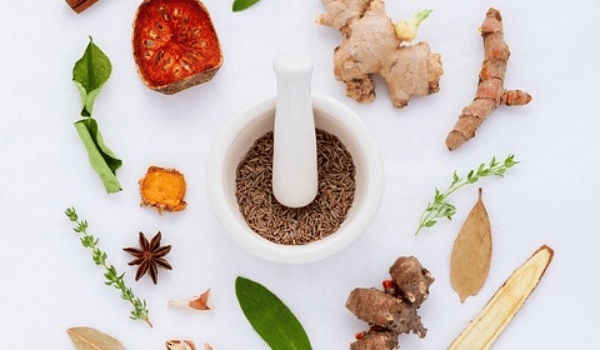
Herbal medicine plays a crucial role in TCM treatment for BPH. Specific herbs are chosen based on their ability to clear heat, resolve dampness, and promote the smooth flow of Qi. Commonly used herbs include Saw Palmetto, which helps reduce prostate size, and Rehmannia, which nourishes the kidneys and supports urinary health. These herbs are often combined into customized formulas tailored to each individual's unique condition and constitution.
Acupuncture for BPH Relief
Acupuncture, another cornerstone of TCM, involves the insertion of thin needles into specific points on the body to stimulate energy flow and promote healing. For BPH, acupuncture points are selected to target the prostate gland, urinary system, and related organs. Regular acupuncture sessions can help reduce inflammation, improve urinary function, and alleviate discomfort associated with BPH.

Lifestyle and Dietary Adjustments
In addition to herbal remedies and acupuncture, TCM emphasizes the importance of lifestyle and dietary adjustments in managing BPH. Avoiding spicy and greasy foods, which can exacerbate heat and dampness in the body, is recommended. Instead, incorporating more fresh fruits, vegetables, and whole grains can help nourish the body and support urinary health. Regular exercise, stress management techniques, and adequate sleep are also essential for maintaining overall well-being and reducing BPH symptoms.

By embracing a holistic approach that combines herbal remedies, acupuncture, dietary adjustments, and lifestyle modifications, individuals with BPH can find relief from their symptoms and improve their quality of life. If you're considering TCM treatment for BPH, consult with a qualified TCM practitioner to develop a personalized treatment plan that meets your unique needs and goals!
版权声明:本文内容由互联网用户自发贡献,该文观点仅代表作者本人。本站仅提供信息存储空间服务,不拥有所有权,不承担相关法律责任。如发现本站有涉嫌抄袭侵权/违法违规的内容, 请发送邮件至 972197909@qq.com 举报,一经查实,本站将立刻删除。如若转载,请注明出处:http://www.shenqiu123.com/tcm/2551.html