Understanding Asthenic Dyspnea in Traditional Chinese Medicine
Asthenic dyspnea, a condition characterized by shortness of breath and a weakened respiratory system, has been a focus of traditional Chinese medicine (TCM) for centuries. Unlike acute respiratory issues, asthenic dyspnea often stems from underlying imbalances within the body's vital energies, known as Qi. TCM approaches this condition holistically, aiming to restore balance and strengthen the body's natural defenses rather than merely alleviating symptoms.
In TCM, asthenic dyspnea is believed to be closely linked to deficiencies in lung Qi, kidney Qi, or both. The lungs govern respiration and the distribution of Qi throughout the body, while the kidneys are considered the foundation of vitality and the source of prenatal Qi. When either of these organs becomes weakened, it can lead to insufficient Qi circulation, resulting in the characteristic symptoms of asthenic dyspnea.
TCM Syndrome Differentiation for Asthenic Dyspnea
The first step in TCM treatment for asthenic dyspnea is syndrome differentiation, a process that involves analyzing the patient's symptoms, tongue appearance, and pulse to determine the underlying imbalance. For instance, a patient with pale complexion, fatigue, and a weak pulse may be diagnosed with lung Qi deficiency, while those with lower back pain, frequent urination, and a deep, weak pulse may indicate kidney Qi deficiency.
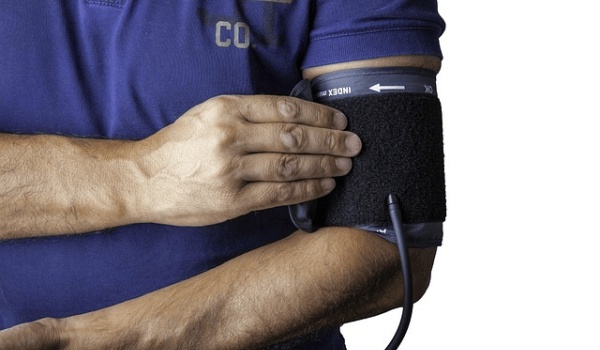
Once the syndrome is identified, a personalized treatment plan is formulated. This typically includes a combination of herbal remedies, acupuncture, and lifestyle modifications. Herbal formulas are carefully selected to tonify the deficient Qi, nourish the affected organs, and promote overall health and well-being.
Herbal Remedies and Acupuncture for Asthenic Dyspnea
Herbal remedies play a crucial role in TCM treatment for asthenic dyspnea. Commonly used herbs include ginseng, astragalus, and cordyceps, which are known for their Qi-tonifying properties. These herbs can be taken in various forms, such as decoctions, powders, or capsules, depending on the patient's preference and the severity of their condition.

Acupuncture, another key component of TCM, involves the insertion of fine needles into specific points on the body to stimulate Qi flow and restore balance. For asthenic dyspnea, acupuncture points on the lungs, kidneys, and related meridians are often targeted to enhance respiratory function and strengthen the body's vital energies.
By combining herbal remedies with acupuncture, TCM offers a comprehensive and effective approach to treating asthenic dyspnea. With proper diagnosis and treatment, patients can experience significant improvements in their respiratory health and overall quality of life!
版权声明:本文内容由互联网用户自发贡献,该文观点仅代表作者本人。本站仅提供信息存储空间服务,不拥有所有权,不承担相关法律责任。如发现本站有涉嫌抄袭侵权/违法违规的内容, 请发送邮件至 972197909@qq.com 举报,一经查实,本站将立刻删除。如若转载,请注明出处:http://www.shenqiu123.com/tcm/2267.html