Understanding Seborrheic Alopecia
Seborrheic alopecia, a common form of hair loss, often manifests with excessive oiliness on the scalp, accompanied by dandruff and itching. This condition not only affects one's physical appearance but can also impact self-confidence and overall well-being. While modern medicine offers various treatments, traditional Chinese medicine (TCM) provides a holistic approach to managing seborrheic alopecia, focusing on restoring balance within the body.
TCM Principles for Hair Health
In TCM, hair health is closely linked to the balance of Qi (vital energy), blood, and the harmony of internal organs. Seborrheic alopecia is often attributed to dampness and heat accumulation in the body, leading to scalp oiliness and hair loss. TCM aims to address these underlying imbalances through a combination of herbal remedies, dietary adjustments, and lifestyle modifications.
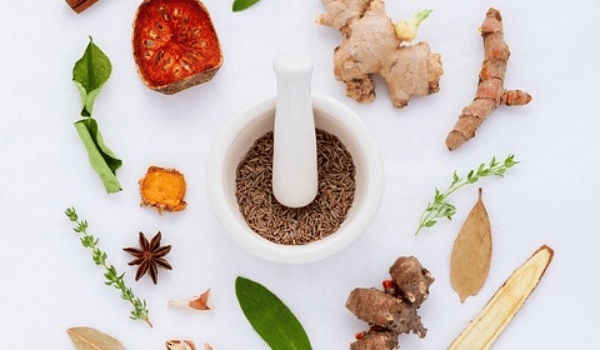
Herbal treatments play a pivotal role in TCM for seborrheic alopecia. Herbs like He Shou Wu (Fo-Ti) and Sheng Di Huang (Rehmannia) are renowned for their ability to nourish the blood, strengthen hair roots, and reduce scalp inflammation. These herbs can be consumed as teas, tinctures, or incorporated into topical scalp treatments for enhanced efficacy.
Dietary Recommendations for Seborrheic Alopecia
Diet plays a crucial role in managing seborrheic alopecia from a TCM perspective. Foods that are considered "cooling" and "moisture-draining" are recommended to counteract the dampness and heat in the body. These include leafy greens, cucumbers, bitter melon, and mung beans. Conversely, spicy, greasy, and sugary foods should be avoided as they can exacerbate scalp oiliness and inflammation.
Incorporating foods rich in vitamins and minerals, such as nuts, seeds, and fish, can also promote hair health. These nutrients support the growth and strength of hair follicles, reducing the likelihood of hair loss.

Lifestyle Adjustments for Optimal Hair Care
Beyond herbal remedies and dietary changes, lifestyle adjustments are equally important in managing seborrheic alopecia. Regular scalp massages can improve blood circulation, nourish hair follicles, and reduce stress levels, all of which contribute to healthier hair growth. Additionally, maintaining good scalp hygiene by washing hair regularly with mild, natural shampoos can help prevent the buildup of oil and dandruff.
Stress management is another key aspect of TCM for hair health. Chronic stress can disrupt the body's natural balance, leading to increased scalp oiliness and hair loss. Incorporating relaxation techniques such as meditation, yoga, or deep breathing exercises into your daily routine can help alleviate stress and promote overall well-being.

By embracing these TCM principles and making necessary lifestyle adjustments, individuals suffering from seborrheic alopecia can achieve healthier, stronger hair and regain their confidence. Remember, consistency is key in any hair care regimen, so be patient and persistent in your efforts!
版权声明:本文内容由互联网用户自发贡献,该文观点仅代表作者本人。本站仅提供信息存储空间服务,不拥有所有权,不承担相关法律责任。如发现本站有涉嫌抄袭侵权/违法违规的内容, 请发送邮件至 972197909@qq.com 举报,一经查实,本站将立刻删除。如若转载,请注明出处:http://www.shenqiu123.com/tcm/2260.html