Understanding Postpartum Lower Back Pain
Postpartum lower back pain is a common issue that affects many new mothers, often stemming from hormonal changes, physical strain during childbirth, and the demands of caring for a newborn. This discomfort can range from mild to severe, impacting daily activities and overall well-being. While conventional treatments like pain medication and physical therapy are widely used, traditional Chinese medicine (TCM) offers a holistic and natural approach to alleviate this condition.
TCM Principles for Treating Postpartum Lower Back Pain
TCM views postpartum lower back pain as a result of imbalances in the body's energy flow, or Qi, and blood circulation. During pregnancy and childbirth, the body undergoes significant changes that can disrupt this delicate balance, leading to pain and discomfort. TCM aims to restore harmony by addressing the root causes rather than just the symptoms.
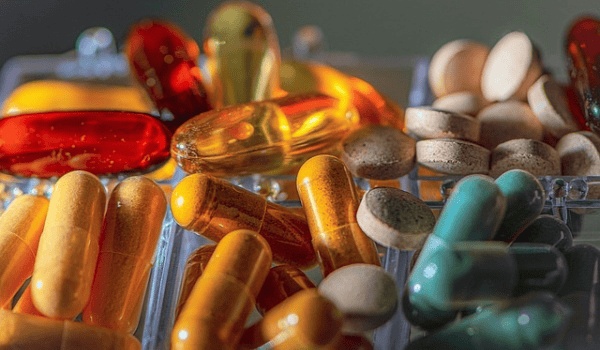
One of the key principles in TCM is the use of herbal remedies tailored to individual needs. Herbs such as Dang Gui (Angelica Sinensis) and Bai Shao (White Peony Root) are commonly prescribed to nourish the blood, promote circulation, and alleviate pain. These herbs are often combined into formulas that are customized based on the patient's specific symptoms and constitution.

Acupuncture: A Time-Tested Solution
Acupuncture, another cornerstone of TCM, involves the insertion of thin needles into specific points on the body to stimulate energy flow and promote healing. For postpartum lower back pain, acupuncturists target points that correspond to the lower back, kidneys, and reproductive organs. This helps to relieve muscle tension, reduce inflammation, and improve overall energy levels.
Many women report significant relief after just a few acupuncture sessions, with some experiencing complete resolution of their symptoms. Acupuncture is also known for its ability to reduce stress and promote relaxation, which can be particularly beneficial for new mothers juggling multiple responsibilities.
Lifestyle Adjustments and Self-Care
In addition to herbal remedies and acupuncture, TCM emphasizes the importance of lifestyle adjustments and self-care practices. This includes maintaining a balanced diet rich in nutrients that support postpartum recovery, such as iron-rich foods and protein sources. Gentle exercises like yoga or tai chi can also help to strengthen the core muscles and improve flexibility, reducing the risk of future lower back pain.
Furthermore, TCM encourages new mothers to prioritize rest and relaxation, recognizing that adequate sleep and stress management are crucial for overall health and well-being. By incorporating these practices into their daily routine, women can support their body's natural healing processes and enjoy a smoother postpartum recovery.

In conclusion, traditional Chinese medicine offers a comprehensive and effective approach to treating postpartum lower back pain. By addressing the root causes and promoting holistic well-being, TCM can help new mothers regain their strength and vitality, allowing them to fully embrace the joys of motherhood!
版权声明:本文内容由互联网用户自发贡献,该文观点仅代表作者本人。本站仅提供信息存储空间服务,不拥有所有权,不承担相关法律责任。如发现本站有涉嫌抄袭侵权/违法违规的内容, 请发送邮件至 972197909@qq.com 举报,一经查实,本站将立刻删除。如若转载,请注明出处:http://www.shenqiu123.com/tcm/2053.html