What Is Dampness and Why Does It Matter?
In traditional health practices, dampness refers to an imbalance in the body caused by excessive moisture accumulation. This condition often stems from environmental factors, poor dietary habits, or weakened bodily systems. While not a medical diagnosis in Western terms, dampness-related symptoms are widely recognized in holistic health circles as indicators of underlying issues requiring attention. Left unaddressed, dampness can lead to chronic discomfort and reduced quality of life.
Common Symptoms of Dampness Accumulation
The manifestations of dampness vary widely but typically include persistent fatigue, heavy sensations in limbs, and bloating after meals. Many individuals report digestive disturbances such as loose stools or reduced appetite. Skin issues like oily complexions or recurrent rashes may also indicate dampness, particularly when accompanied by a feeling of sluggishness. Other telltale signs include joint stiffness, cloudy thinking, and a general sense of heaviness throughout the body.
Environmental factors play significant roles in dampness development. Living in humid climates, wearing damp clothing, or sleeping on wet bedding can exacerbate symptoms. Dietary choices like excessive consumption of dairy, refined sugars, and fried foods contribute to internal moisture buildup. Sedentary lifestyles further impair the body's ability to process and eliminate excess dampness naturally.
Effective Treatment Approaches for Dampness
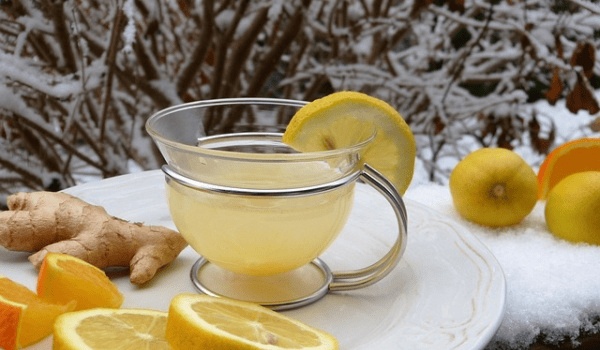
Addressing dampness requires a multifaceted strategy combining dietary adjustments, lifestyle modifications, and targeted remedies. Foods with drying properties form the cornerstone of nutritional therapy. Warming spices like ginger, cinnamon, and turmeric help stimulate circulation and promote moisture elimination. Incorporating bitter greens such as dandelion or mustard greens aids digestion while reducing internal dampness accumulation.
Lifestyle changes prove equally crucial in dampness management. Regular moderate exercise encourages sweating and improves metabolic function. Simple practices like drying hair thoroughly after washing and avoiding cold drinks during meals prevent additional moisture introduction. Environmental controls like dehumidifiers in living spaces create less favorable conditions for dampness proliferation.

Herbal remedies offer time-tested solutions for persistent dampness. Traditional formulations containing astragalus, poria, and atractylodes work synergistically to strengthen digestive function and promote fluid balance. These botanicals should be used under professional guidance to ensure proper dosage and compatibility with individual constitutions. Acupuncture treatments targeting specific meridians may also provide relief by restoring energetic flow and addressing root causes.
Prevention Strategies for Long-Term Wellness
Maintaining dampness balance requires ongoing vigilance rather than one-time interventions. Seasonal dietary adjustments prove particularly effective - lighter meals during humid months and warming foods in colder seasons create optimal internal environments. Daily movement routines, even as simple as 20-minute walks, support continuous moisture processing. Mindful consumption habits, including proper food combining and portion control, prevent digestive overload that contributes to dampness formation.
Regular health check-ups help identify early signs of dampness accumulation before symptoms become severe. Monitoring digestive patterns, energy levels, and skin conditions provides valuable feedback for adjusting preventive measures. Creating a personalized wellness plan that incorporates these elements establishes sustainable protection against dampness-related health challenges in the long term!
版权声明:本文内容由互联网用户自发贡献,该文观点仅代表作者本人。本站仅提供信息存储空间服务,不拥有所有权,不承担相关法律责任。如发现本站有涉嫌抄袭侵权/违法违规的内容, 请发送邮件至 972197909@qq.com 举报,一经查实,本站将立刻删除。如若转载,请注明出处:http://www.shenqiu123.com/sexual/3133.html