The Traditional Wisdom Behind Mugwort Foot Soaks
For centuries, mugwort (Artemisia vulgaris) has been a cornerstone of traditional Chinese herbal practices. Known for its warming properties and ability to promote circulation, this aromatic herb is often recommended for addressing dampness-related discomforts such as heavy limbs, bloating, and fatigue. But does soaking your feet in mugwort tea truly live up to its reputation as a natural dampness remedy? Let’s examine the science and practical applications behind this age-old practice.
How Mugwort Works Against Dampness
According to traditional theories, dampness accumulates when the body’s digestive system (spleen and stomach) fails to transform fluids properly. Mugwort’s bitter and pungent nature is believed to stimulate circulation, warm the meridians, and enhance metabolic function. Modern research supports that mugwort contains volatile oils, flavonoids, and coumarins—compounds with anti-inflammatory and antioxidant properties that may help reduce water retention and improve microcirculation in the extremities.
When used in foot soaks, mugwort’s active ingredients penetrate the skin through warm water, potentially reaching acupuncture points on the soles linked to the spleen and kidney channels. This dual action of topical absorption and thermal stimulation creates a synergistic effect that may alleviate symptoms associated with internal dampness.
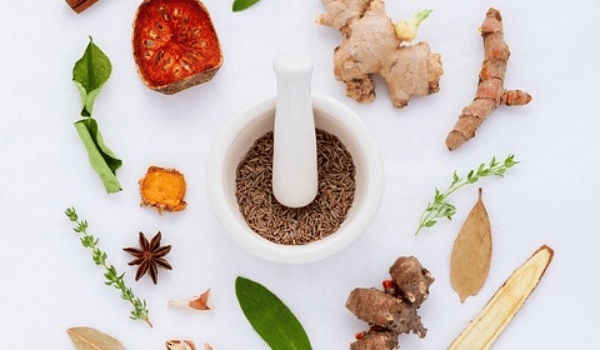
Optimizing Your Mugwort Foot Soak Routine
1. **Preparation**: Use 30-50 grams of dried mugwort leaves per liter of boiling water. Steep covered for 15-20 minutes to extract active compounds.
2. **Temperature Control**: Maintain water at 38-40°C (100-104°F) to avoid burning skin while promoting vasodilation.
3. **Duration**: Soak feet for 20-30 minutes, 3-4 times weekly. Consistency matters more than daily use.
4. **Enhancements**: Combine with ginger slices or Epsom salts for added warming and detoxifying effects.
Note: Those with sensitive skin or open wounds should dilute the solution or consult a healthcare provider first. Pregnant women should avoid excessive mugwort consumption due to its emmenagogue properties.

When to Expect Results
While individual responses vary, many users report improved energy levels and reduced swelling within 2-4 weeks of regular practice. For chronic dampness conditions, combine foot soaks with dietary adjustments like reducing dairy and sugary foods while increasing warming ingredients like cinnamon and cardamom. Remember that mugwort works best as part of a holistic approach to wellness rather than a standalone cure.
By understanding both traditional wisdom and modern science, you can make informed decisions about incorporating mugwort foot soaks into your self-care routine. This gentle, non-invasive practice offers a promising natural option for managing dampness-related discomfort when used appropriately and consistently!
版权声明:本文内容由互联网用户自发贡献,该文观点仅代表作者本人。本站仅提供信息存储空间服务,不拥有所有权,不承担相关法律责任。如发现本站有涉嫌抄袭侵权/违法违规的内容, 请发送邮件至 972197909@qq.com 举报,一经查实,本站将立刻删除。如若转载,请注明出处:http://www.shenqiu123.com/sexual/3092.html