Understanding Obesity Linked to Excess Moisture
Obesity is a multifaceted health issue that can stem from various factors, including genetics, lifestyle, and environmental conditions. One less commonly discussed but significant cause is excess moisture in the body, which can lead to a specific type of weight gain often referred to as "dampness-related obesity." Recognizing the signs of this condition is crucial for effective management and prevention.
Excess moisture, or dampness, in traditional Chinese medicine (TCM), refers to an imbalance where the body retains more water than it should. This retention can disrupt normal bodily functions, leading to a range of symptoms, including weight gain. Unlike other forms of obesity, dampness-related obesity often presents with distinct characteristics that set it apart.
Key Characteristics of Dampness-Related Obesity
Swelling and Bloating: One of the most noticeable signs of dampness-related obesity is swelling, particularly in the lower extremities. This swelling is often accompanied by a feeling of heaviness or bloating, making movement uncomfortable and sluggish.
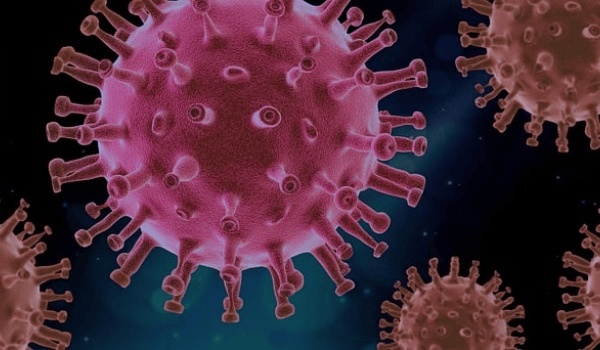
Fatigue and Lethargy: Individuals with dampness-related obesity frequently report feeling tired and lethargic, even after a full night's sleep. This persistent fatigue can be attributed to the body's struggle to process and eliminate excess moisture, which requires additional energy.
Poor Digestion: Digestive issues are common among those with dampness-related obesity. Symptoms may include bloating, gas, and a general feeling of fullness after eating only small amounts of food. These issues arise because dampness can interfere with the normal functioning of the digestive system.
Skin Problems: Excess moisture in the body can also manifest on the skin, leading to problems such as acne, eczema, or a greasy complexion. These skin issues are often a result of the body's attempt to eliminate dampness through the skin.

Managing Dampness-Related Obesity
Addressing dampness-related obesity requires a holistic approach that focuses on restoring balance to the body. This may involve dietary changes, such as incorporating more warming and drying foods like ginger and cinnamon, while avoiding cold and damp foods like dairy and raw vegetables. Regular exercise is also essential, as it helps to stimulate circulation and promote the elimination of excess moisture.
In addition to lifestyle modifications, seeking professional guidance from a healthcare provider or TCM practitioner can be beneficial. They can offer personalized advice and treatment options tailored to your specific needs and health status. By taking a comprehensive approach, you can effectively manage dampness-related obesity and improve your overall well-being!
版权声明:本文内容由互联网用户自发贡献,该文观点仅代表作者本人。本站仅提供信息存储空间服务,不拥有所有权,不承担相关法律责任。如发现本站有涉嫌抄袭侵权/违法违规的内容, 请发送邮件至 972197909@qq.com 举报,一经查实,本站将立刻删除。如若转载,请注明出处:http://www.shenqiu123.com/sexual/2628.html