Understanding Dampness in Traditional Chinese Medicine
In traditional Chinese medicine (TCM), dampness refers to an imbalance where excess moisture accumulates in the body, disrupting its natural harmony. This condition often develops gradually due to environmental factors, poor dietary habits, or weakened digestive function. While not a Western medical diagnosis, dampness symptoms align with many modern health concerns and can significantly impact daily life if left unaddressed.
Common Physical Symptoms of Dampness Accumulation
The most noticeable signs manifest through persistent physical discomfort. Individuals may experience chronic fatigue that doesn't improve with rest, accompanied by a heavy sensation in the limbs as if wearing invisible weights. Digestive disturbances frequently appear, including bloating after meals, loose stools, or reduced appetite. Skin issues like oily complexion, acne outbreaks, or recurrent fungal infections often signal internal dampness.
Joint discomfort ranks among the most telling indicators. Many report stiffness or swelling in knees, ankles, or wrists, particularly during humid weather. This occurs because dampness tends to settle in lower body regions according to TCM principles. Some may notice a white coating on their tongue, excessive salivation, or persistent bad breath despite good oral hygiene.
Emotional and Cognitive Effects
The impact extends beyond physical symptoms to affect mental clarity and emotional balance. Many describe feeling mentally foggy or having difficulty concentrating, likening their thought processes to moving through mud. Emotional manifestations may include increased irritability, mood swings, or a general sense of heaviness in the chest. These cognitive effects often worsen during rainy seasons or in overly humid environments.
Natural Approaches to Balancing Dampness
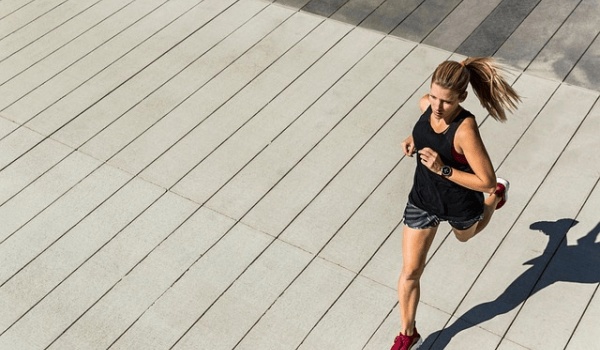
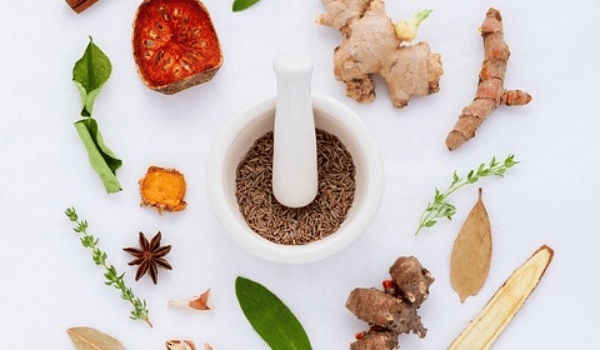
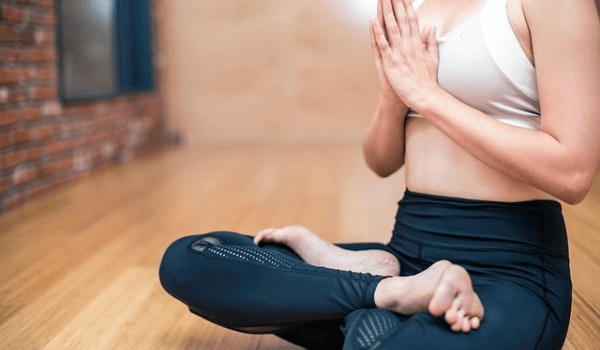
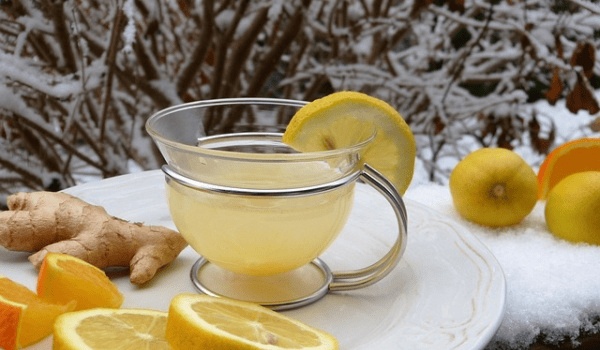
Addressing dampness requires a multifaceted approach. Dietary modifications form the foundation - focus on warming, drying foods like ginger, cinnamon, and cooked vegetables while avoiding dairy, sugar, and raw foods that promote moisture. Regular physical activity helps stimulate circulation and sweat production, aiding in moisture elimination. Incorporating stress-reduction techniques like meditation or tai chi supports overall balance.
Environmental adjustments matter too. Use dehumidifiers in living spaces, ensure proper ventilation, and avoid prolonged exposure to damp conditions. Herbal remedies like astragalus, codonopsis, and poria cocos may provide additional support when used under professional guidance. Remember that resolving dampness typically requires consistent effort over several weeks or months, as the body needs time to restore its natural equilibrium.
By recognizing these symptoms early and implementing appropriate lifestyle changes, you can effectively manage dampness accumulation and restore vitality to your body and mind!
版权声明:本文内容由互联网用户自发贡献,该文观点仅代表作者本人。本站仅提供信息存储空间服务,不拥有所有权,不承担相关法律责任。如发现本站有涉嫌抄袭侵权/违法违规的内容, 请发送邮件至 972197909@qq.com 举报,一经查实,本站将立刻删除。如若转载,请注明出处:http://www.shenqiu123.com/sexual/2542.html