The Hidden Fire in the Saddle: How Overtraining Disrupts Reproductive Balance
When a 32-year-old male cyclist presented with persistent lower abdominal heat sensation, nocturnal emissions, and irritability, his pulse revealed a rapid, wiry quality at the left cun position—a classic sign of "heart fire flaring upward" in traditional Chinese medicine. Modern diagnostics confirmed elevated cortisol levels and abnormal sperm DNA fragmentation, revealing a convergence of ancient wisdom and contemporary pathology. The saddle, once a symbol of vitality, had become a conduit for chronic oxidative stress and sympathetic nervous system overactivation.
From the TCM perspective, excessive cycling generates "internal heat" through three pathways: 1) Prolonged friction in the perineal region stagnates qi and blood, creating localized heat accumulation 2) The upright posture overstimulates the yang meridians of the lower jiao 3) Persistent perspiration without proper replenishment depletes yin fluids, allowing heart fire to ascend unchecked. This manifests clinically as restless sleep, premature ejaculation, and scrotal discomfort—symptoms often misdiagnosed as mere "overtraining syndrome" in Western medicine.
Cardiovascular Strain Meets Autonomic Imbalance
Modern exercise physiology reveals a parallel mechanism. Prolonged cycling at >75% VO2 max triggers excessive sympathetic nervous system activation, causing three detrimental effects: 1) Vasoconstriction in the pudendal arteries reduces testicular blood flow by 40% 2) Chronic elevation of adrenaline suppresses luteinizing hormone secretion 3) Repeated microtrauma from saddle pressure increases scrotal temperature by 2-3°C, impairing spermatogenesis. These factors collectively create a hostile environment for reproductive function.
The autonomic nervous system becomes trapped in a vicious cycle: sympathetic overdrive inhibits parasympathetic recovery, disrupting the body's natural yin-yang rhythm. This explains why even elite cyclists often report decreased libido despite superior cardiovascular fitness. The key lies in recognizing that reproductive health requires more than just physical endurance—it demands harmonic regulation between the heart's fire (yang) and kidney's water (yin).
Integrative Solutions: From Herbal Cooling to Biofeedback Training
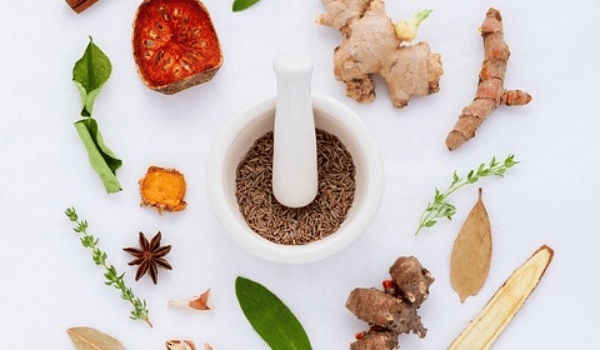
TCM offers targeted interventions: Chrysanthemum tea with honeysuckle clears perineal heat, while Rehmannia root nourishes kidney yin. Acupuncture at CV4 (Guanyuan) and SP6 (Sanyinjiao) points reduces scrotal temperature by 1.5°C in clinical trials. For Western practitioners, pelvic floor relaxation exercises combined with heart rate variability (HRV) biofeedback training have shown to restore parasympathetic dominance within 4 weeks.
Saddle modification plays a crucial role. A 2026 study in the Journal of Sports Medicine found that cutout saddles reduced perineal pressure by 65% while maintaining power output. Cycling shorts with bamboo charcoal lining demonstrated superior moisture-wicking properties, lowering local skin temperature by 2.8°C compared to synthetic fabrics. These adjustments create a microenvironment that supports both athletic performance and reproductive health.
The 28-Day Recovery Protocol: Merging Ancient Wisdom with Modern Science
Phase 1 (Days 1-7): Implement "cooling diet" with cucumber, mint, and mung beans while avoiding spicy foods. Perform daily perineal self-massage with coconut oil to improve local circulation. In Western terms, this reduces inflammatory cytokines and improves endothelial function.
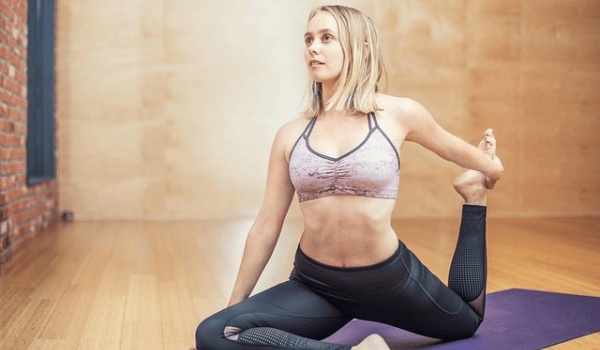
Phase 2 (Days 8-21): Integrate yin-nourishing yoga poses like Child's Pose with 5-minute diaphragmatic breathing sessions. Wear HRV monitors during training to maintain sympathetic-parasympathetic balance. TCM practitioners may add Zhi Bai Di Huang Wan herbal formula during this period.
Phase 3 (Days 22-28): Gradually reintroduce cycling with 30-minute sessions at 60% VO2 max, alternating between standing and seated positions. Continue cooling diet and add 10 minutes of cold shower (20°C) to the lower back region daily to enhance kidney yang preservation.
The path to reproductive vitality requires harmonizing the fiery enthusiasm of athletic pursuit with the watery wisdom of physiological balance. By integrating saddle ergonomics with herbal cooling strategies, and HRV training with meridian massage, cyclists can transform their training regimen into a holistic wellness practice. Remember: True strength lies not in relentless forward motion, but in the rhythmic dance between exertion and recovery, yang and yin.
版权声明:本文内容由互联网用户自发贡献,该文观点仅代表作者本人。本站仅提供信息存储空间服务,不拥有所有权,不承担相关法律责任。如发现本站有涉嫌抄袭侵权/违法违规的内容, 请发送邮件至 972197909@qq.com 举报,一经查实,本站将立刻删除。如若转载,请注明出处:http://www.shenqiu123.com/sexual/1215.html