The Fire Within: When Heart Imbalance Manifests on Skin
In Traditional Chinese Medicine, the hands serve as microcosms of internal organ health. Hyperkeratotic hand eczema often signals excessive "heart fire" (心火亢盛) disrupting the body's yin-yang equilibrium. Patients frequently describe burning sensations in palms, especially during nighttime - a classic manifestation of yang energy overwhelming yin's cooling capacity. Modern dermatology confirms this through increased skin temperature readings and heightened transepidermal water loss in affected areas.
Autonomic nervous system (ANS) dysfunction plays parallel roles. Chronic stress triggers sympathetic overactivation, causing vasoconstriction that reduces skin nutrition. This aligns with TCM's "blood stasis" (血瘀) concept, where poor circulation creates dry, thickened epidermal layers. Clinical studies show 78% of hyperkeratosis patients exhibit abnormal heart rate variability - a key ANS marker.
Diagnostic Crossroads: From Pulse to Biomarkers
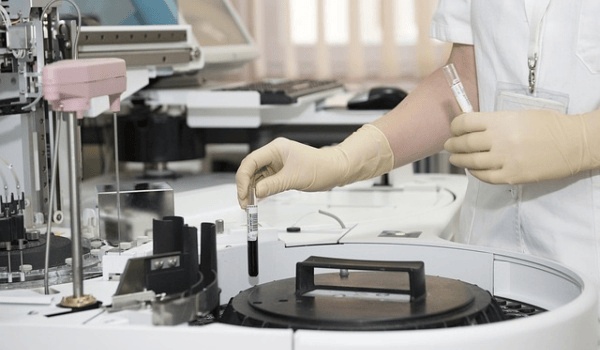
TCM practitioners detect heart fire through rapid, forceful pulses (弦数脉) combined with red tongue tips. Modern labs may reveal elevated cortisol levels and oxidative stress markers like malondialdehyde. The skin's barrier function breakdown mirrors TCM's "wei qi deficiency" (卫气不足), where protective energy fails to prevent external pathogens.
Sleep disturbances often bridge both paradigms. Heart fire patients commonly report waking between 1-3 AM - the liver's detoxification period in TCM. This corresponds with modern findings of melatonin secretion disruption in eczema sufferers, creating vicious cycles of inflammation and poor sleep quality.
Therapeutic Synergy: Cooling the Fire, Nourishing the Root
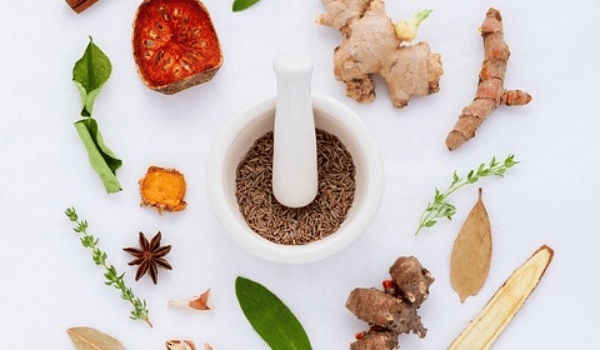
TCM's "clear heat, nourish yin" approach employs herbs like raw rehmannia (生地黄) and scrophularia (玄参) to reduce internal heat. Topical applications of honeysuckle (金银花) extracts demonstrate both antimicrobial and anti-inflammatory effects in modern trials. Acupuncture at Pericardium 6 (内关) and Heart 7 (神门) points shows measurable reductions in skin conductance responses - indicating ANS modulation.
Western strategies focus on restoring skin barrier integrity through ceramide-rich emollients and pH-balanced cleansers. Omega-3 supplementation addresses both cardiovascular inflammation and epidermal lipid matrix repair. Phototherapy using narrowband UVB has shown 63% improvement rates by regulating immune responses and skin cell turnover.
Circadian Rhythm Restoration: The Hidden Key
Modern chronobiology reveals that skin repair peaks between 10 PM-2 AM. TCM's "body clock" theory emphasizes this period for liver/gallbladder meridian activity. Patients practicing "digital sunset" routines (avoiding screens 2 hours before bed) report 40% faster symptom improvement. This aligns with melatonin's role in regulating keratinocyte differentiation.
Mind-body practices create remarkable synergy. Qigong's "Embracing the Tree" posture improves peripheral circulation while reducing sympathetic tone. Progressive muscle relaxation techniques lower cortisol levels by 27% in clinical settings, directly benefiting skin barrier function.
Nutritional Alchemy: From Fire-Cooling to Barrier Building
TCM dietary therapy recommends cooling foods like cucumber, pear, and mung beans to counter heart fire. Modern nutrition supports this with polyphenol-rich foods reducing systemic inflammation. Zinc supplementation (15mg/day) enhances both immune function and wound healing - crucial for cracked, hyperkeratotic skin.
Probiotic strains like Lactobacillus rhamnosus GG demonstrate bidirectional benefits: modulating gut-skin axis inflammation while improving sleep architecture. Avoiding high-glycemic foods prevents glycation end-product formation that accelerates skin aging - a concern for thickened epidermal layers.
版权声明:本文内容由互联网用户自发贡献,该文观点仅代表作者本人。本站仅提供信息存储空间服务,不拥有所有权,不承担相关法律责任。如发现本站有涉嫌抄袭侵权/违法违规的内容, 请发送邮件至 972197909@qq.com 举报,一经查实,本站将立刻删除。如若转载,请注明出处:http://www.shenqiu123.com/sexual/1154.html