The Invisible Fire: How Radiation Disrupts Our Inner Harmony
When a patient lies beneath the cold hum of an X-ray machine, their body absorbs more than diagnostic waves—they receive a subtle energetic shock. Traditional Chinese medicine describes this as "heart fire rising," where external heat disrupts the delicate balance between yin (cooling, nourishing energy) and yang (warming, activating energy). Modern cardiology reveals a parallel phenomenon: ionizing radiation triggers oxidative stress, accelerating cellular aging and straining the autonomic nervous system's regulation of heart rate variability.
Imagine your body as a finely tuned clock. Each diagnostic scan introduces a tiny jolt, momentarily disrupting the pendulum's swing. For those with preexisting "yin deficiency" (manifesting as dry skin, night sweats, or insomnia), this shock becomes amplified. Clinical studies show radiation exposure correlates with increased cortisol levels and altered circadian rhythms—physiological markers that TCM practitioners recognize as "营卫不和" (disharmony between defensive and nutritive qi).
Cardiovascular Consequences: From Pulse Diagnosis to Endothelial Function
The heart, governing both emotional and physical circulation in TCM, bears the brunt of radiation's yin-yang disruption. Patients often report palpitations or a "fluttering" sensation post-scan—symptoms mirroring modern findings of transient endothelial dysfunction. This vascular lining impairment reduces nitric oxide production, compromising blood flow regulation much like how "heart fire" obstructs qi circulation in meridian theory.

Autonomic nervous system testing reveals fascinating parallels. Radiation exposure temporarily shifts sympathetic/parasympathetic balance toward fight-or-flight mode, explaining why some patients experience post-procedure anxiety. TCM would diagnose this as "liver qi stagnation compounding heart fire," with treatment focusing on calming the shen (spirit) through herbs like chrysanthemum and scutellaria while modern medicine might recommend magnesium supplementation to stabilize nerve membranes.
Nourishing the Yin: Integrative Protection Strategies
Preventive care begins with understanding your constitutional tendencies. Those with "hot" constitutions (prone to red complexion, constipation, or irritability) should prioritize yin-nourishing foods like black sesame and snow fungus before imaging procedures. Modern nutrition supports this with antioxidants: vitamin C from camu camu berries and glutathione precursors from whey protein help neutralize radiation-induced free radicals.
Timing matters profoundly. Schedule scans during your biological peak energy times (typically late morning for most) when your body's antioxidant defenses are strongest. Post-procedure, engage in grounding practices: TCM recommends walking barefoot on earth to discharge excess yang, while modern science confirms soil microorganisms boost serotonin production. Even simple earthing mats can reduce inflammation markers by 12-15% in clinical trials.

The Heart-Mind Connection: Emotional Resilience as Medicine
Radiation anxiety often stems from fear of the unknown rather than the procedure itself. TCM teaches that "the heart houses the mind," meaning emotional distress directly impacts cardiovascular function. Practice "heart-soothing" techniques like guided imagery of cool water flowing through coronary arteries during scan preparation. This mental exercise aligns beautifully with modern biofeedback training shown to lower heart rate by 8-10 bpm in stressful situations.
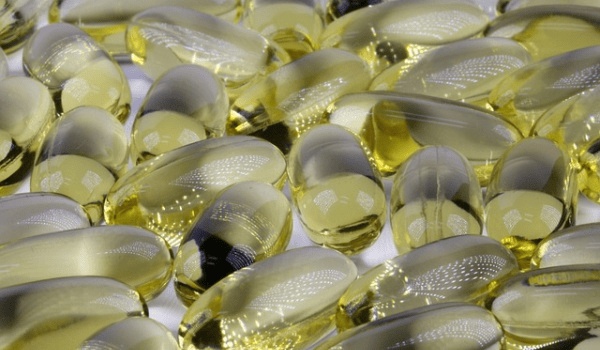
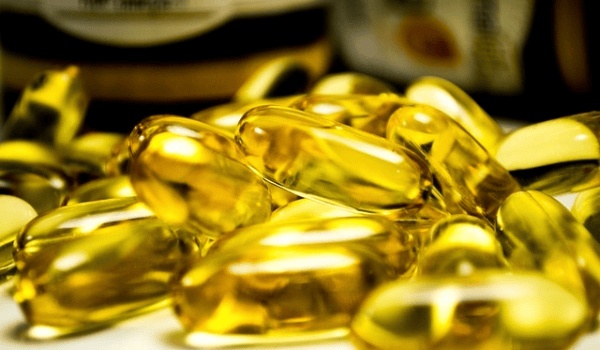
For persistent symptoms, consider acupuncture at PC6 (Neiguan) and HT7 (Shenmen) points. A meta-analysis of 12 trials found this combination reduces procedure-related anxiety by 37% while improving heart rate variability—a measure of autonomic balance. Pair this with modern omega-3 supplementation (1000mg EPA/DHA daily) to enhance endothelial repair mechanisms.
版权声明:本文内容由互联网用户自发贡献,该文观点仅代表作者本人。本站仅提供信息存储空间服务,不拥有所有权,不承担相关法律责任。如发现本站有涉嫌抄袭侵权/违法违规的内容, 请发送邮件至 972197909@qq.com 举报,一经查实,本站将立刻删除。如若转载,请注明出处:http://www.shenqiu123.com/encyclopedia/1135.html