Understanding Knee Pain: A Visual Guide
Knee pain is a common complaint that affects people of all ages, often hindering daily activities and mobility. Whether it's a dull ache or a sharp, stabbing sensation, understanding the source of your knee pain is crucial for effective treatment and prevention. This guide provides a detailed look at the various parts of the knee that can experience pain, with a special focus on severe pain on both sides of the knee, which requires immediate medical attention.
Common Areas of Knee Pain
The knee is a complex joint composed of bones, ligaments, tendons, and cartilage, all of which can be sources of pain. Pain can occur in the front, back, inside, or outside of the knee, each indicating different underlying issues. For instance, pain in the front of the knee may be related to patellar tendinitis or chondromalacia patella, while pain in the back could signal a problem with the hamstring tendons or bursitis.
Inside knee pain often points to medial collateral ligament (MCL) injuries or medial meniscus tears, whereas outside knee pain might be due to lateral collateral ligament (LCL) issues or iliotibial band syndrome. Recognizing these patterns can help you seek appropriate care sooner.
Severe Pain on Both Sides of the Knee: A Red Flag
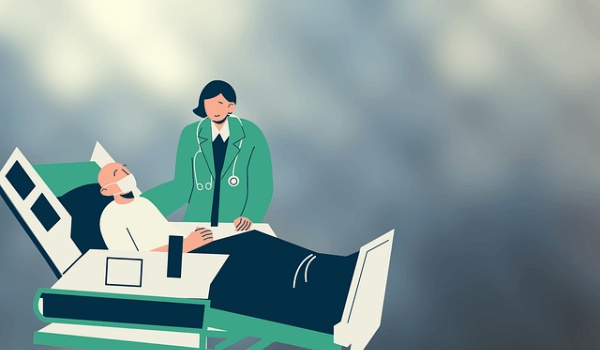
Experiencing intense pain on both sides of your knee is a serious concern that should not be ignored. This type of pain can significantly limit your range of motion and make even simple tasks like walking or climbing stairs excruciating. It often indicates a more severe injury, such as a torn ligament, cartilage damage, or even arthritis in advanced stages.
If you're experiencing such pain, it's essential to consult a healthcare professional immediately. They can perform a thorough examination, possibly including imaging tests like X-rays or MRIs, to diagnose the exact cause and recommend an appropriate treatment plan. Early intervention can prevent further damage and promote faster recovery.

Preventive Measures and Self-Care
While some knee pain is inevitable, especially as we age, there are steps you can take to reduce your risk. Maintaining a healthy weight, engaging in regular low-impact exercise, and wearing proper footwear can all help support your knees and prevent injuries. Additionally, incorporating stretching and strengthening exercises into your routine can improve flexibility and stability, reducing the likelihood of pain.
If you're already experiencing knee pain, rest, ice, compression, and elevation (RICE) can provide temporary relief. However, for persistent or severe pain, always seek professional medical advice. Remember, your knees are vital for mobility, so taking care of them is essential for maintaining an active and healthy lifestyle!
版权声明:本文内容由互联网用户自发贡献,该文观点仅代表作者本人。本站仅提供信息存储空间服务,不拥有所有权,不承担相关法律责任。如发现本站有涉嫌抄袭侵权/违法违规的内容, 请发送邮件至 972197909@qq.com 举报,一经查实,本站将立刻删除。如若转载,请注明出处:http://www.shenqiu123.com/tcm/427.html