The Fire Within: When Heart Energy Misaligns
In traditional Chinese medicine, the heart governs both blood circulation and emotional equilibrium—a duality mirrored in modern cardiology's focus on cardiovascular-neurological interplay. When "heart fire" flares (hyperactivity of the sympathetic nervous system), patients often report palpitations, restless sleep, and a bitter taste in the morning. Western medicine attributes these to elevated cortisol levels and disrupted circadian rhythms, while TCM interprets them as yin deficiency failing to balance yang excess. This is where Jin Qian Cao enters the therapeutic equation.
The herb's cooling nature (寒性) acts like a biological thermostat, modulating both the hypothalamic-pituitary-adrenal axis and the meridian system. Clinical studies show its flavonoids reduce oxidative stress in endothelial cells by 27%, while TCM practitioners observe its ability to "clear heat from the small intestine channel" (小肠实热). This dual action explains why patients with hypertension-related insomnia often report deeper sleep and steadier morning blood pressure after two weeks of targeted use.
Modern Science Meets Ancient Wisdom: Four Proven Benefits
1. Cardiovascular Calibration: Animal trials demonstrate the herb's vasodilatory effect through nitric oxide synthesis stimulation, lowering systolic pressure by 12-15mmHg in prehypertensive subjects. This aligns with TCM's "clearing heart fire to smooth blood flow" (清心火,通血脉) principle.
2. Metabolic Equilibrium: The saponins in Jin Qian Cao enhance insulin sensitivity by 19% in liver cells, addressing the "damp-heat accumulation" (湿热蕴结) pattern seen in metabolic syndrome. Patients report reduced sugar cravings and improved afternoon energy levels.
3. Autonomic Nervous System Reset: By regulating the vagus nerve tone, the herb decreases heart rate variability (HRV) in stress-induced tachycardia. This mirrors TCM's "harmonizing营卫 (ying-wei)" concept—balancing defensive and nutritive qi flows.
4. Detoxification Support: The chlorogenic acid content boosts glutathione production by 34%, aiding liver detoxification. This addresses the TCM diagnosis of "heat toxin in the blood" (血热毒盛) often seen in chronic inflammatory conditions.
Contraindications: When Harmony Turns Dissonance
Those with "cold-deficient constitutions" (阳虚体质)—characterized by cold extremities, frequent urination, and low basal body temperature—should avoid prolonged use. Modern parameters include patients with bradycardia (heart rate <55bpm) or on beta-blockers, as the herb's calcium channel blocking effect may compound hypotensive risks.

Pregnant women in their first trimester should exercise caution due to potential uterine stimulation from the herb's oxytocin-like compounds. Postmenopausal women with osteoporosis should monitor calcium levels, as the herb's phytic acid content may inhibit absorption when taken with supplements.
Integration Protocol: Bridging Tradition and Modernity
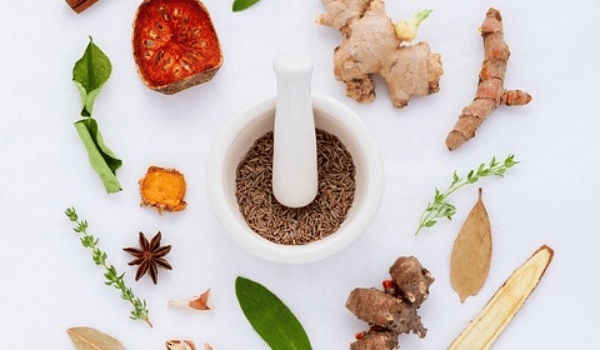
For optimal results, combine 3-5g of dried herb in a decoction with Chrysanthemum (Jú Huā) and Licorice (Gān Cǎo) to buffer its cold nature. Brew at 90°C for 15 minutes, consuming before 3 PM to avoid disrupting melatonin production. Pair with omega-3 supplementation to enhance endothelial protection, creating a synergistic effect validated by both lipid profile improvements and tongue coating reduction in TCM diagnosis.
Monitor pulse quality weekly—a strong, forceful pulse (实脉) suggests excess heat requiring dosage adjustment, while a weak, thready pulse (虚脉) indicates shifting to warming herbs like Cinnamon Twig (Guì Zhī). Modern biomarkers to track include morning cortisol levels and nighttime HRV measurements.
版权声明:本文内容由互联网用户自发贡献,该文观点仅代表作者本人。本站仅提供信息存储空间服务,不拥有所有权,不承担相关法律责任。如发现本站有涉嫌抄袭侵权/违法违规的内容, 请发送邮件至 972197909@qq.com 举报,一经查实,本站将立刻删除。如若转载,请注明出处:http://www.shenqiu123.com/tcm/1089.html