Understanding High Blood Pressure After Diagnosis
Being diagnosed with high blood pressure, or hypertension, can be a wake-up call for many individuals. It's a condition that affects millions worldwide and is a significant risk factor for heart disease, stroke, and other serious health issues. If you've just discovered you have high blood pressure, you might be wondering: Do I need to start taking medication immediately?
The answer isn't always straightforward and depends on several factors, including the severity of your hypertension, your overall health, and any underlying conditions you may have. High blood pressure is categorized into different stages, ranging from elevated to stage 2 hypertension, based on your blood pressure readings.
When Medication Might Be Necessary
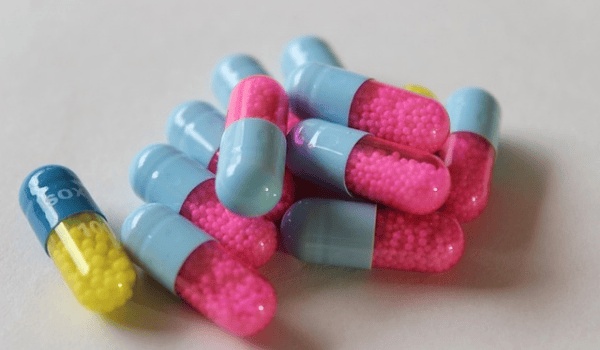
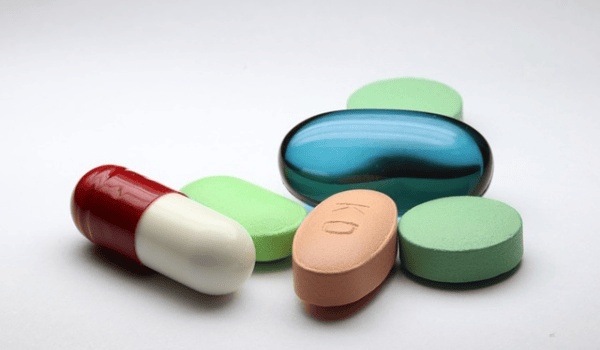
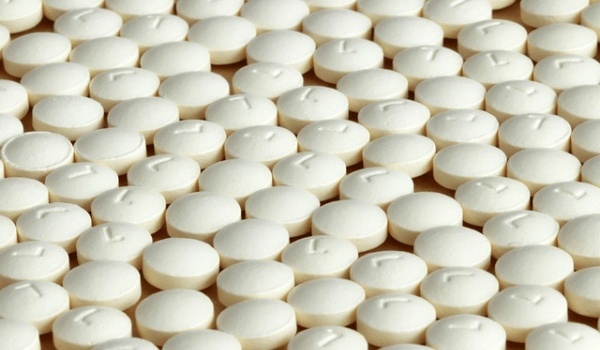
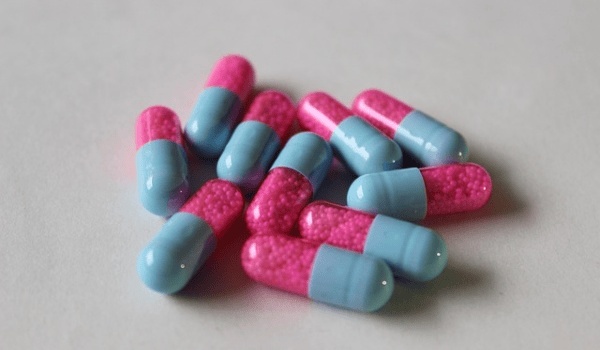
For individuals with stage 2 hypertension, or those with high blood pressure accompanied by other health problems like diabetes or kidney disease, medication is often recommended as part of the treatment plan. These medications work to lower your blood pressure, reducing the strain on your heart and blood vessels, and thereby lowering your risk of complications.
However, even if your blood pressure is only slightly elevated, your doctor may still prescribe medication if lifestyle changes alone aren't enough to bring it down to a healthy level. It's crucial to follow your doctor's advice and take any prescribed medications as directed.
Lifestyle Changes as a First Line of Defense
Before jumping straight to medication, many doctors will recommend lifestyle modifications as the first step in managing high blood pressure. These changes can be incredibly effective and often form the foundation of long-term blood pressure control.
Eating a balanced diet rich in fruits, vegetables, whole grains, and lean proteins, while limiting sodium, saturated fats, and added sugars, can help lower your blood pressure. Regular physical activity, such as brisk walking, swimming, or cycling, for at least 30 minutes most days of the week, is also beneficial. Additionally, quitting smoking, limiting alcohol intake, and managing stress through techniques like meditation or yoga can further support your blood pressure goals.
Monitoring and Regular Check-ups
Regardless of whether you're taking medication or relying solely on lifestyle changes, regular monitoring of your blood pressure is essential. This allows you and your doctor to track your progress and make any necessary adjustments to your treatment plan.
Remember, managing high blood pressure is a lifelong commitment. By working closely with your healthcare provider and making healthy lifestyle choices, you can keep your blood pressure in check and reduce your risk of serious health complications. So, while medication may be necessary for some, it's not always the first or only solution!
版权声明:本文内容由互联网用户自发贡献,该文观点仅代表作者本人。本站仅提供信息存储空间服务,不拥有所有权,不承担相关法律责任。如发现本站有涉嫌抄袭侵权/违法违规的内容, 请发送邮件至 972197909@qq.com 举报,一经查实,本站将立刻删除。如若转载,请注明出处:http://www.shenqiu123.com/encyclopedia/496.html