Understanding Dry Eye Syndrome and Its Impact
Dry eye syndrome, a prevalent ocular condition, affects millions worldwide, causing discomfort, irritation, and even vision impairment. Characterized by insufficient lubrication on the eye's surface, it can result from various factors, including environmental conditions, prolonged screen time, and certain medical conditions. While conventional treatments often focus on artificial tears and medications, many individuals are turning to traditional Chinese medicine (TCM) for a holistic and natural approach to managing dry eyes.
The Principles of TCM in Treating Dry Eyes
TCM views dry eye syndrome as a manifestation of an imbalance in the body's vital energies, or Qi, and the disruption of the Yin-Yang harmony. According to TCM theory, the eyes are closely connected to the liver and kidneys, and any deficiency or excess in these organs can lead to ocular problems. Therefore, TCM treatments aim to restore balance by nourishing the Yin, clearing heat, and promoting the flow of Qi and blood to the eyes.
One of the key TCM modalities used for dry eye relief is acupuncture. By inserting fine needles into specific acupoints around the eyes and body, acupuncture helps stimulate blood circulation, reduce inflammation, and enhance the production of natural tears. This non-invasive and drug-free approach has shown promising results in improving eye moisture and reducing discomfort in dry eye patients.
Herbal Remedies and Dietary Adjustments
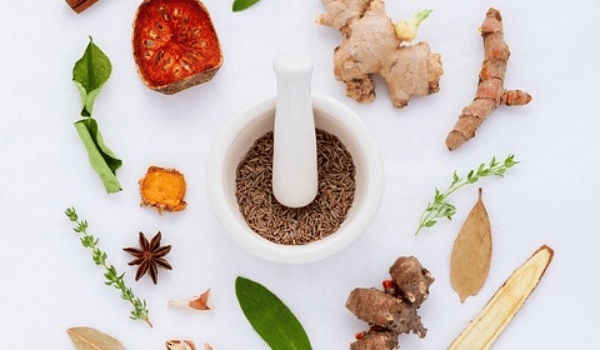
In addition to acupuncture, TCM also emphasizes the use of herbal remedies and dietary adjustments to manage dry eyes. Herbal formulas containing ingredients like chrysanthemum, goji berries, and rehmannia are known for their nourishing and moisturizing properties, helping to alleviate dryness and promote eye health. These herbs can be consumed as teas, decoctions, or incorporated into daily meals for long-term benefits.

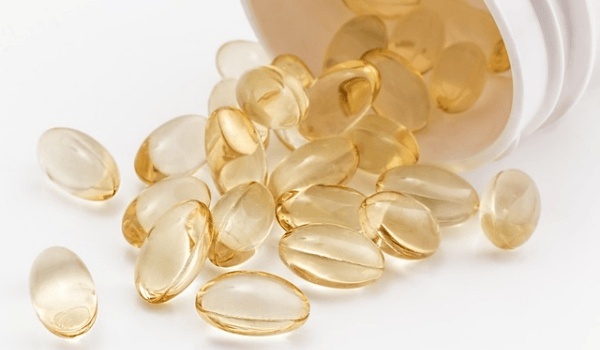
Dietary adjustments play a crucial role in TCM's approach to dry eye treatment. Consuming foods rich in omega-3 fatty acids, such as fish and flaxseeds, can help reduce inflammation and improve tear quality. Additionally, incorporating foods that nourish the liver and kidneys, like black sesame seeds and walnuts, can further support ocular health and prevent dry eye symptoms.
Conclusion: Embracing TCM for Lasting Dry Eye Relief
Traditional Chinese medicine offers a comprehensive and natural approach to managing dry eye syndrome. By addressing the root causes of the condition and promoting overall well-being, TCM treatments can provide lasting relief from dryness, irritation, and discomfort. Whether through acupuncture, herbal remedies, or dietary adjustments, incorporating TCM principles into your daily routine can help you achieve healthier, more comfortable eyes in 2026 and beyond!
版权声明:本文内容由互联网用户自发贡献,该文观点仅代表作者本人。本站仅提供信息存储空间服务,不拥有所有权,不承担相关法律责任。如发现本站有涉嫌抄袭侵权/违法违规的内容, 请发送邮件至 972197909@qq.com 举报,一经查实,本站将立刻删除。如若转载,请注明出处:https://www.shenqiu123.com/tcm/2799.html