Understanding Shoulder Periarthritis
Shoulder periarthritis, commonly known as frozen shoulder, is a condition characterized by stiffness and pain in the shoulder joint. This condition can significantly limit your range of motion, making daily activities challenging and uncomfortable. While conventional treatments often focus on pain management and physical therapy, traditional Chinese medicine (TCM) offers a holistic approach that addresses both the symptoms and the underlying causes of the condition.
TCM views shoulder periarthritis as a result of imbalances in the body's energy flow, or Qi, and blood circulation. By restoring balance and promoting the free flow of Qi and blood, TCM aims to alleviate pain, reduce inflammation, and improve joint mobility.
Key TCM Treatments for Shoulder Periarthritis
Acupuncture: Acupuncture is a cornerstone of TCM and involves the insertion of thin needles into specific points on the body to stimulate energy flow. For shoulder periarthritis, acupuncture can help relieve pain, reduce muscle tension, and improve blood circulation to the affected area. Many patients report significant relief after just a few sessions.
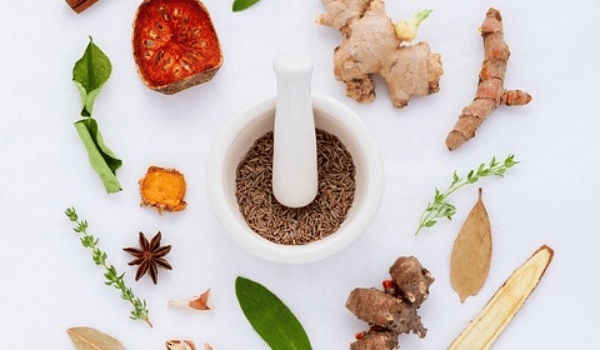
Herbal Medicine: TCM herbal formulas are tailored to each individual's specific needs and symptoms. These formulas often include herbs with anti-inflammatory and analgesic properties, such as turmeric, ginger, and frankincense. Herbal medicine can be taken internally as teas or capsules, or applied topically as ointments or patches to the shoulder area.
Cupping Therapy: Cupping involves placing special cups on the skin to create suction, which helps to stimulate blood flow and loosen tight muscles. This therapy can be particularly effective for relieving the stiffness and pain associated with shoulder periarthritis. Cupping is often used in combination with acupuncture for enhanced results.

Tuina Massage: Tuina is a form of TCM massage that uses various techniques to manipulate the soft tissues and joints. It can help to relieve muscle tension, improve circulation, and restore range of motion in the shoulder. Tuina is often performed by a trained practitioner and can be a relaxing and therapeutic experience.
Incorporating TCM into Your Recovery Plan
If you're considering TCM treatments for shoulder periarthritis, it's important to consult with a qualified TCM practitioner. They can assess your condition and develop a personalized treatment plan that addresses your specific needs and goals. In addition to TCM treatments, incorporating gentle stretching exercises and maintaining a healthy lifestyle can further support your recovery.
Remember, recovery from shoulder periarthritis takes time and patience. By combining TCM treatments with conventional care and self-care practices, you can achieve lasting relief and improved shoulder function. Embrace the healing power of TCM and take the first step towards a pain-free future!
版权声明:本文内容由互联网用户自发贡献,该文观点仅代表作者本人。本站仅提供信息存储空间服务,不拥有所有权,不承担相关法律责任。如发现本站有涉嫌抄袭侵权/违法违规的内容, 请发送邮件至 972197909@qq.com 举报,一经查实,本站将立刻删除。如若转载,请注明出处:https://www.shenqiu123.com/tcm/2309.html