The Silent Flame: When Heart Fire Disrupts Vascular Harmony
In traditional Chinese medicine, hypertension often manifests as "heart fire rising"—a state where yang energy overwhelms yin, creating internal heat that scorches the vessels. Clinically, this correlates with endothelial dysfunction, where oxidative stress damages arterial linings, reducing nitric oxide production and impairing vasodilation. Patients may describe a "burning sensation" in the chest, flushed face, or night sweats—all signs of yin deficiency failing to cool excess yang.
Modern cardiology confirms this imbalance: chronic stress activates the sympathetic nervous system, releasing catecholamines that constrict blood vessels. The result? A vicious cycle where elevated pressure further stresses the endothelium, accelerating atherosclerosis. Imagine your blood vessels as bamboo flutes—when heart fire inflames them, the music turns shrill, losing its natural rhythm.
Circadian Rhythms: The Bridge Between Yin-Yang and Autonomic Balance
The body's biological clock governs both TCM's "营卫循环" (nutrient-defense circulation) and Western medicine's circadian regulation of blood pressure. Disrupted sleep patterns—common in elderly hypertension—reflect a breakdown in this rhythm. From a TCM perspective, late-night insomnia indicates liver yang rising unchecked by kidney yin. Western studies show this corresponds to reduced melatonin secretion and blunted nocturnal blood pressure dipping, doubling cardiovascular risk.
Practitioners often observe patients with "morning surge hypertension"—a sharp BP spike upon waking. This mirrors TCM's "wood phase imbalance" (liver overacting on spleen), where cortisol peaks coincide with weakened digestive qi. The solution? Synchronize lifestyle with natural cycles: rise with the sun to strengthen yang, retire early to nourish yin, and eat warm, cooked meals to support spleen function.
Herbal Synergy: Cooling Heart Fire While Protecting Endothelium
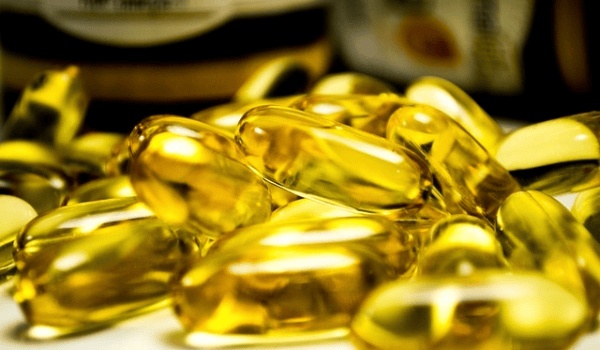
TCM formulas like Tian Ma Gou Teng Yin (Gastrodia and Uncaria Decoction) demonstrate remarkable modern efficacy. Gastrodia elata inhibits calcium channels to reduce vascular resistance, while Uncaria rhynchophylla modulates the renin-angiotensin system—mechanisms validated by clinical trials showing 15-20 mmHg systolic reductions. Pair this with Western omega-3 supplementation: EPA/DHA not only lower triglycerides but also resolve inflammation in damaged endothelial cells.
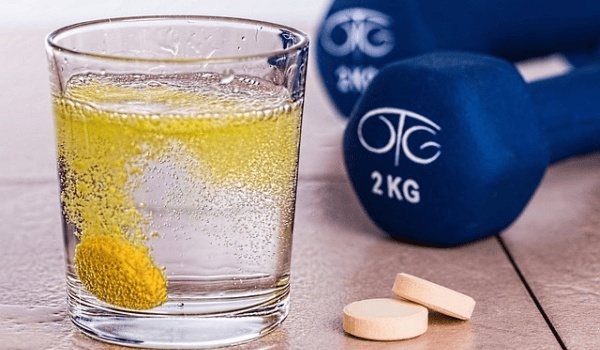
For yin deficiency patterns, Rehmannia glutinosa (Shu Di Huang) replenishes kidney essence, while Western coenzyme Q10 enhances mitochondrial function in cardiac cells. This dual approach addresses both the root (yin deficiency) and branch (vascular damage), creating a synergistic effect stronger than either modality alone. Imagine repairing a leaky pipe while also turning down the water pressure—both steps are essential.
Mind-Body Practices: Calming the Spirit to Soothe the Vessels
Chronic emotional stress fuels both heart fire and sympathetic overdrive. TCM's "七情致病" (seven emotions causing disease) theory aligns perfectly with Western allostatic load concepts. A 2026 meta-analysis found that elderly practitioners of Baduanjin qigong experienced 12% greater BP reduction than those using medication alone, thanks to improved vagal tone and reduced inflammatory markers.
Incorporate daily "micro-meditations": while waiting for tea to brew, focus on slow diaphragmatic breathing. This activates the baroreflex, instantly lowering BP by 5-8 mmHg. The key lies in consistency—like water wearing away stone, gentle daily practices gradually restore balance where harsh interventions fail.
版权声明:本文内容由互联网用户自发贡献,该文观点仅代表作者本人。本站仅提供信息存储空间服务,不拥有所有权,不承担相关法律责任。如发现本站有涉嫌抄袭侵权/违法违规的内容, 请发送邮件至 972197909@qq.com 举报,一经查实,本站将立刻删除。如若转载,请注明出处:https://www.shenqiu123.com/encyclopedia/1149.html